
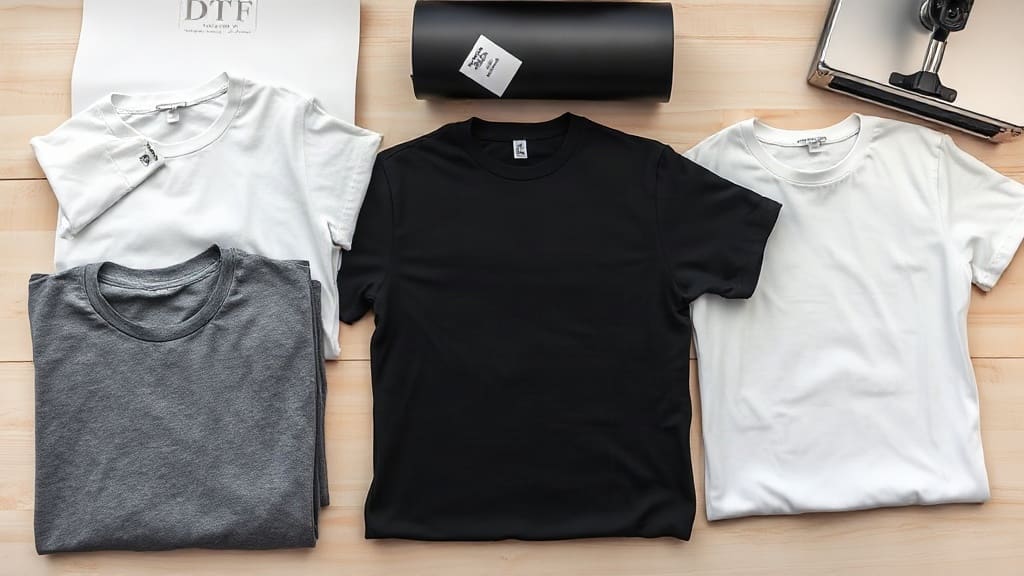
When you're building a custom apparel brand, the choices you make about blanks and decoration methods can make or break your reputation. Whether you're a seasoned screen printer or a newbie with a heat press, the combination of premium blanks and reliable transfer techniques is the backbone of any successful clothing line. In this guide, we'll dive deep into smart blanks, explore the rising popularity of shaka wear, and explain why DTF transfers are revolutionizing the way creators bring their designs to life. By the end, you'll have a clear roadmap to producing apparel that customers love to wear and show off.
What Are Smart Blanks and Why Do They Matter?
Smart blanks are not just any plain t-shirts. They represent a curated selection of garments that balance quality, comfort, and printability. Unlike generic blanks that may shrink, pill, or fade after a few washes, smart blanks are engineered with the decorator in mind. They often feature tighter weave fabrics, pre-shrunk cotton, and consistent sizing across colors. This consistency is crucial when you're fulfilling bulk orders or restocking bestsellers.For example, a smart blank might have a combed ring-spun cotton construction that feels softer than standard cotton and provides a smoother surface for heat transfers. The term also implies that these blanks are optimized for modern decoration methods, including DTF transfers. When you pair smart blanks with high-quality transfers, you get vibrant, long-lasting prints that resist cracking and peeling.
Key Features to Look for in Smart Blanks
- Fabric weight: 4.2 oz to 5.5 oz is ideal for year-round wear; heavier weights work well for hoodies and outerwear.
- Blend: 100% cotton for a classic feel, or cotton-poly blends for durability and reduced shrinkage.
- Stitching: Double-needle hems and shoulder-to-shoulder taping prevent stretching and add longevity.
- Colorfastness: Look for blanks that hold their color after multiple washes, especially if you're printing bright designs.
By choosing smart blanks, you're not just buying a product; you're investing in your brand's reputation. Customers notice when a shirt feels good and lasts, and that translates into repeat business and word-of-mouth referrals.
Shaka Wear: The Blank Brand That's Taking Over
If you've been in the custom apparel game for a while, you've likely heard of Shaka Wear. This brand has gained a loyal following for its heavyweight cotton tees, boxy fits, and streetwear aesthetic. Shaka Wear blanks are particularly popular among urban fashion brands, skate shops, and anyone looking to create a premium feel without the premium price tag.
What sets Shaka Wear apart is its attention to detail. Their t-shirts often feature a thick collar that retains its shape, side-seamed construction for a tailored fit, and a fabric weight that drapes well without being too heavy. For decorators using DTF transfers, Shaka Wear blanks provide an excellent canvas because the cotton surface is smooth and tightly woven, allowing the transfer to adhere evenly and resist cracking.
Why Shaka Wear Works Well with DTF Transfers
DTF transfers require a smooth, lint-free surface to achieve optimal results. Shaka Wear's fabric is often mercerized or ring-spun, which minimizes lint and creates a perfect bond. Additionally, the durability of Shaka Wear garments means your finished product will withstand repeated washing without the print deteriorating. This synergy between blank and transfer method is why many professional printers recommend Shaka Wear for high-end custom jobs.
Another advantage is the range of styles. From classic crew necks to hoodies and long sleeves, Shaka Wear offers a variety of silhouettes that appeal to different demographics. Whether you're targeting teens, young adults, or professionals, there's a Shaka Wear blank to match your vision.
DTF Transfers: The Game-Changer for Custom Apparel
Direct-to-film (DTF) transfers have exploded in popularity over the last few years, and for good reason. Unlike traditional screen printing or vinyl, DTF transfers allow you to print full-color, photographic-quality designs without the need for multiple screens or weeding. The process involves printing your design onto a special film, applying a powder adhesive, and then heat-pressing it onto the garment. The result is a soft, stretchable print that adheres to a wide range of fabrics, including cotton, polyester, and blends.
For small businesses and solo creators, DTF transfers lower the barrier to entry. You can order transfers from a supplier and press them as needed, eliminating the need for expensive equipment and inventory of pre-printed shirts. This on-demand model reduces waste and allows you to offer a vast catalog of designs without holding stock.
Advantages of DTF Transfers Over Other Methods
- No color limitations: Print gradients, photos, and fine details with ease.
- Compatible with many fabrics: Works on cotton, poly, blends, and even treated leather.
- Durable and stretchable: The print moves with the fabric, reducing cracking.
- Cost-effective for short runs: No setup fees or minimums.
- Fast turnaround: Press a shirt in under a minute once you have the transfer.
When you combine DTF transfers with smart blanks and Shaka Wear, you create a product that feels premium, looks professional, and stands up to real-world wear. This trio is a winning formula for anyone serious about custom apparel.
How to Choose the Right Blanks for DTF Transfers
Not all blanks are created equal when it comes to DTF. Here are some factors to consider:
Fabric Content
100% cotton blanks like many from Shaka Wear are ideal because they can withstand the heat of the press without scorching. Cotton-poly blends also work but may require slightly lower temperatures to avoid dye migration. Always test a sample before production.
Color
Light-colored blanks are more forgiving, but DTF transfers can be printed with a white underbase, making them suitable for dark garments as well. However, on very dark or neon colors, a white underbase is essential to keep colors vibrant.
Texture
Smooth fabrics yield the best results. Avoid heavily textured or ribbed blanks unless you're experienced with adjusting pressure and time.
Pre-Treatment
Some blanks come with a pre-treatment that can affect adhesion. Always check with your supplier or do a test press. Smart blanks often have no pre-treatment, giving you full control.
Best Practices for Applying DTF Transfers to Smart Blanks and Shaka Wear
To get professional results, follow these steps:
- Preheat the garment: This removes moisture and wrinkles. Press for 3-5 seconds at 300°F.
- Position the transfer: Place it with the adhesive side down. Use a cover sheet or parchment paper.
- Press: Apply medium pressure for 15-20 seconds at 300-320°F (depending on transfer instructions).
- Peel: Wait for the transfer to cool completely before peeling the film. This is often called a "cold peel" and ensures the adhesive sets properly.
- Post-press: For extra durability, press again for 5-10 seconds with a cover sheet.
These steps work exceptionally well on Shaka Wear blanks due to their tight weave and smooth surface. Always follow the specific instructions provided by your DTF transfer supplier, as formulations can vary.
Where to Source Smart Blanks, Shaka Wear, and DTF Transfers
Finding reliable suppliers is key. For Shaka Wear, many wholesale distributors carry their line, and you can often order directly from the brand's website. When it comes to smart blanks, look for distributors that specialize in blank apparel for decorators. They often provide detailed spec sheets and samples.
For DTF transfers, you have two main options: order from a dedicated DTF printer or invest in your own DTF printer. If you're just starting, outsourcing is more cost-effective. Look for suppliers that offer fast turnaround, high-resolution printing, and a variety of transfer sizes. Some companies also provide custom gang sheets, allowing you to maximize your transfer sheet and reduce costs.
Frequently Asked Questions
What are smart blanks and how do they differ from regular blanks?
Smart blanks are premium blank garments designed specifically for decoration. They often feature softer fabrics, consistent sizing, and better printability compared to generic blanks. They may also be pre-shrunk and have tighter weaves, which enhance the final look of DTF transfers and other decorations.
Can I use DTF transfers on Shaka Wear hoodies?
Absolutely. Shaka Wear hoodies are typically made from heavyweight cotton or cotton-poly blends, which are excellent for DTF transfers. Just ensure you adjust your press settings for the thicker fabric and always do a test press to confirm adhesion and color vibrancy.
How durable are DTF transfers on smart blanks after washing?
When applied correctly, DTF transfers on smart blanks can last as long as the garment itself. To maximize durability, wash the garment inside out in cold water and tumble dry low. Avoid ironing directly over the print, and do not use bleach or fabric softeners, which can degrade the adhesive.
Do I need a special printer to make DTF transfers?
Yes, DTF printing requires a dedicated DTF printer and a shaker/powder machine. However, if you're not ready to invest in equipment, you can order custom DTF transfers from online suppliers and apply them with a standard heat press. This is a popular option for small businesses and hobbyists.
Which is better for DTF: 100% cotton or a blend?
Both work well, but 100% cotton is generally preferred because it handles the heat of the press without scorching and provides a smooth surface. Blends can also yield great results but may require lower temperatures to prevent dye migration. Experiment with both to see what works best for your designs.
By now, you should have a solid understanding of how smart blanks, Shaka Wear, and DTF transfers can work together to elevate your custom apparel. The key is to source quality materials, follow best practices, and always test before full production. With the right combination, you'll create products that not only meet but exceed customer expectations.