
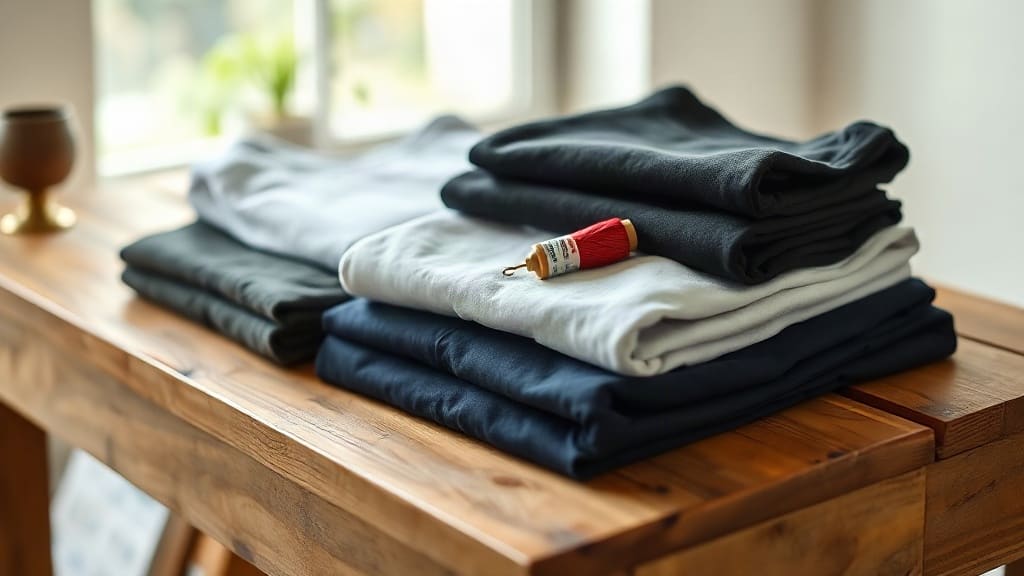
If you've spent any time in the custom apparel world, you've likely come across shaka wear. It's one of those brands that quietly powers thousands of small clothing lines, embroidery shops, and screen-printing studios. But what makes it so special? Why do creators keep coming back to this Los Angeles-based label instead of the countless other blank options on the market? In this article, we'll pull back the curtain on Shaka Wear, explore its fabric quality, fit, and versatility, and show you how to turn these blanks into premium custom pieces that your customers will love.
What Exactly Is Shaka Wear?
Shaka Wear was founded in 2005 in Los Angeles, born from the city's vibrant streetwear culture. The brand specializes in heavyweight cotton basics: t-shirts, hoodies, crewnecks, and more. Unlike fast-fashion blanks that feel flimsy after a few washes, Shaka Wear garments are known for their substantial hand-feel and durability. They're a favorite among those who want a blank that already feels like a finished product, even before any decoration is added.
The name "Shaka" comes from the Hawaiian greeting gesture, symbolizing the brand's chill, West Coast vibe. But don't let the relaxed name fool you; these garments are built tough. The company's core philosophy is simple: offer high-quality, American-style streetwear staples at accessible prices. That combination has made shaka wear a staple in the custom apparel industry.
Why Shaka Wear Stands Out from Other Blanks
Walk into any screen-print shop and you'll see stacks of different blank brands. So why do so many pros reach for Shaka Wear? It comes down to a few key factors.
Heavyweight Fabrics That Hold Their Shape
Most Shaka Wear t-shirts are made from 100% cotton, with weights ranging from 5.5 oz to 7.5 oz per square yard. That's significantly heavier than the standard 4.2 oz tee you might find at a big-box retailer. The extra weight means the fabric drapes better, resists stretching, and provides a premium feel that customers notice immediately. For embroidery, this weight is crucial: lightweight fabrics can pucker or distort under dense stitching, while heavier knits provide a stable foundation.
Their hoodies and fleece are similarly robust, often using 10 oz or heavier cotton-poly blends. The result is a garment that feels plush and warm, perfect for cooler months or as a layering piece. When you embroider on a Shaka Wear hoodie, the stitches sink into the fabric nicely, creating a raised, dimensional look that stands out.
Consistent Fit and Sizing
One of the biggest headaches in custom apparel is inconsistent sizing. You order a batch of tees, and suddenly a medium fits like a large. Shaka Wear has earned a reputation for reliable sizing. Their classic tees run true to size with a modern, slightly relaxed cut that appeals to a wide range of body types. They also offer extended sizes, including up to 5XL, which is a huge plus for inclusivity and for brands targeting diverse audiences.
The fit is another selling point. Shaka Wear tees typically have a slightly longer body and a comfortable shoulder width, giving them that coveted streetwear silhouette without being boxy. This makes them ideal for everything from minimalist logo embroidery to all-over prints.
Color Range and Availability
Shaka Wear offers a broad palette of colors, from classic black and white to heather grey, navy, and seasonal tones. This variety allows brands to maintain a cohesive look across different product drops. And because Shaka Wear is widely distributed, restocking is rarely an issue. You won't be left scrambling when a popular color sells out.
How to Use Shaka Wear for Custom Embroidery
If you're considering Shaka Wear for your next embroidery project, here are some practical tips to get the best results.
Choose the Right Stabilizer
For heavyweight cotton like Shaka Wear tees, a medium-weight cutaway stabilizer is usually sufficient. It provides support without adding bulk. For hoodies or fleece, consider a fusible poly-mesh stabilizer to keep the fabric from stretching during stitching. Always test on a scrap piece first, especially with dense designs.
Mind the Needle and Thread
Use a sharp needle, such as a 75/11 or 80/12, to penetrate the dense knit cleanly. For threads, 40-weight polyester embroidery thread is a safe bet; it's durable and colorfast. If you're embroidering on darker fabrics, consider a lighter thread weight or a matte finish to reduce shine.
Design Placement and Size
Shaka Wear tees have a classic crew neck, so left-chest logos work beautifully. For larger back designs, make sure the embroidery doesn't extend below the shoulder blades, as that area can flex and cause distortion. On hoodies, the left chest and back yoke are prime spots. Keep in mind that the heavier fabric can handle larger stitch counts, so you can go bigger with your designs without worrying about the fabric sagging.
Shaka Wear vs. Other Popular Blank Brands
How does Shaka Wear stack up against the competition? Let's compare it to a few common alternatives.
- Gildan 5000: A budget-friendly option, but lighter weight (5.3 oz) and often less consistent in sizing. Shaka Wear offers a more premium feel and better durability.
- Bella+Canvas 3001: Known for softness and fashion fit, but lighter (4.2 oz) and more prone to stretching. Shaka Wear is heavier and more structured.
- Comfort Colors 1717: Garment-dyed for a vintage look, but the dye can affect embroidery thread color. Shaka Wear provides a more predictable base for crisp embroidery.
Ultimately, the choice depends on your target market. If you're aiming for a high-end streetwear brand, Shaka Wear's weight and fit give you a head start.
Marketing Your Shaka Wear Creations
Once you've embroidered your Shaka Wear pieces, how do you sell them? Focus on the story. Customers love knowing that their garment is made from quality materials and decorated locally. Highlight the heavyweight cotton, the durable stitching, and the timeless design. Use lifestyle photography that shows the garments in real-world settings: skateparks, coffee shops, city streets. Emphasize that this isn't a mass-produced item; it's a small-batch creation with attention to detail.
You can also offer customization options, like adding a custom woven label or a hangtag, to elevate the unboxing experience. These small touches reinforce the premium nature of your product and justify a higher price point.
Frequently Asked Questions About Shaka Wear
Is Shaka Wear good for embroidery?
Absolutely. The heavyweight cotton and consistent weave make it an excellent choice for embroidery. The fabric provides a stable backing that holds stitches well, and the garments are durable enough to withstand the embroidery process without losing shape.
How does Shaka Wear sizing run?
Shaka Wear generally runs true to size with a relaxed, modern fit. If you prefer a slimmer look, you might consider sizing down. However, many customers appreciate the roomier cut for layering. Always check the specific product's size chart, as styles can vary slightly.
Where is Shaka Wear made?
Shaka Wear garments are designed in Los Angeles and manufactured overseas, primarily in facilities that adhere to ethical labor practices. The brand emphasizes quality control to ensure consistency across production runs.
Can I use Shaka Wear for screen printing?
Yes, Shaka Wear is a popular choice for screen printing as well. The smooth, heavy cotton surface takes plastisol and water-based inks beautifully, resulting in vibrant, long-lasting prints. Many printers prefer it for its ability to hold fine details.
What is the heaviest Shaka Wear t-shirt available?
Shaka Wear offers several weights, but their heaviest tees typically go up to 7.5 oz per square yard. These are often part of their "Max Heavyweight" line, designed for those who want an ultra-durable, structured garment.
Whether you're launching a new streetwear brand or adding to your existing line, shaka wear provides a reliable, high-quality foundation. Its heavyweight fabrics, consistent fit, and wide availability make it a smart choice for custom embroidery and printing. Give it a try on your next project and see why so many creators consider it a secret weapon.