
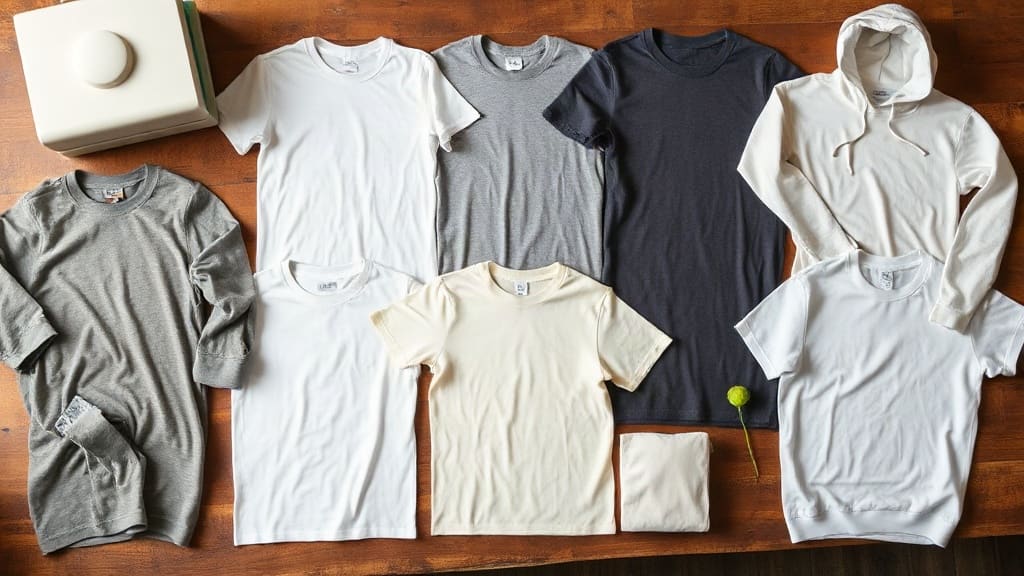
In the custom apparel world, the foundation of any great design is the blank garment itself. For years, brands have relied on standard blanks from well-known manufacturers, but a new wave of innovation is reshaping the landscape: smart blanks. These aren't your average t-shirts or hoodies; they integrate advanced fabric technologies, sustainable materials, and performance features that elevate both comfort and durability. Whether you're a screen printer, embroidery shop, or a brand looking to stand out, understanding smart blanks is essential for staying competitive.
What Are Smart Blanks?
Smart blanks are garments engineered with cutting-edge textile technologies that go beyond basic cotton or polyester. They might feature moisture-wicking properties, antimicrobial treatments, UV protection, or even temperature regulation. Unlike traditional blanks, which focus primarily on cost and basic fit, smart blanks prioritize performance, sustainability, and enhanced printability. For example, some smart blanks use recycled polyester blends that are softer than conventional fabrics while reducing environmental impact. Others incorporate stretch components for better movement, making them ideal for activewear or corporate uniforms.
The term "smart" also refers to the garment's ability to adapt to decoration methods. With the rise of DTF transfers, smart blanks are designed with smoother surfaces and optimized fiber compositions to ensure vibrant, long-lasting prints. This synergy between fabric and decoration is a game-changer for custom apparel businesses.
Why Smart Blanks Matter for Your Brand
Choosing the right blank is more than a production decision; it's a branding statement. Customers today are savvy; they notice quality, comfort, and ethical manufacturing. Smart blanks offer a tangible upgrade that can set your products apart. Here are key reasons to consider them:
- Enhanced Performance: Moisture-wicking and breathable fabrics keep wearers comfortable, whether in the gym or on the job.
- Sustainability: Many smart blanks use organic cotton, recycled polyester, or eco-friendly dyes, appealing to environmentally conscious consumers.
- Superior Decoration Results: Fabrics are engineered for optimal adhesion and color vibrancy with techniques like DTF transfers and embroidery.
- Durability: Advanced weaving and finishing processes reduce pilling and fading, extending the garment's life.
Key Features to Look for in Smart Blanks
Not all smart blanks are created equal. When sourcing, evaluate these attributes to ensure you're getting genuine value:
Fabric Composition and Weight
Look for blends that balance softness, durability, and performance. For instance, a tri-blend of cotton, polyester, and rayon offers a vintage feel with modern durability. Weight matters too: heavier fabrics (like 6 oz) are great for hoodies, while lighter weights (4 oz) suit summer tees.
Performance Technologies
Check for features like moisture management, odor resistance, and UV protection. These are especially important for athletic wear and outdoor apparel. Some smart blanks even integrate phase-change materials that regulate temperature, though these are still niche.
Decoration Compatibility
If you use DTF transfers, ensure the blank has a smooth, even surface and can withstand heat-press temperatures without scorching. For embroidery, consider fabric density and stretch recovery. The best smart blanks are tested for multiple decoration methods.
Ethical and Sustainable Production
Certifications like GOTS, OEKO-TEX, and Fair Trade ensure responsible manufacturing. Brands like Shaka Wear have gained a following for their commitment to quality and ethical practices, often incorporating sustainable materials into their blanks.
Smart Blanks vs. Traditional Blanks: A Comparison
Traditional blanks, such as those from Gildan or Fruit of the Loom, are cost-effective and widely available. However, they may lack the performance features and sustainability credentials that modern consumers demand. Smart blanks typically cost more upfront but offer better long-term value through enhanced durability and customer satisfaction. For example, a smart blank with moisture-wicking properties might reduce the need for frequent replacements, saving money over time. Moreover, the superior printability of smart blanks can reduce waste from misprints, further improving your bottom line.
How to Integrate Smart Blanks into Your Product Line
Transitioning to smart blanks doesn't require a complete overhaul. Start by introducing them in a premium line or for specific use cases like corporate uniforms or athletic wear. Test with your existing customers to gauge response. Many printers find that smart blanks work exceptionally well with DTF transfers, allowing for intricate designs without compromising fabric integrity. If you're an embroidery shop, smart blanks with tighter weaves provide a stable base for dense stitch counts.
Consider partnering with suppliers who specialize in smart blanks. Brands like Shaka Wear offer a range of smart blanks that cater to different decoration needs. Their fabrics are known for their softness and durability, making them a favorite among streetwear brands.
The Role of Smart Blanks in Sustainable Fashion
Sustainability is no longer a niche; it's a expectation. Smart blanks contribute to eco-friendly apparel by using recycled materials, reducing water and energy consumption, and minimizing chemical use. For instance, some smart blanks are made from recycled plastic bottles, giving new life to waste. By choosing smart blanks, you're not only improving your product but also aligning with the values of environmentally conscious consumers. This can be a powerful marketing angle, especially for brands targeting millennials and Gen Z.
Future Trends in Smart Blanks
The smart blanks category is evolving rapidly. We're seeing innovations like embedded sensors for health monitoring, though these are still experimental. More immediately, expect to see broader adoption of bio-based fabrics, such as those derived from seaweed or mushroom roots. Additionally, as DTF transfers technology advances, smart blanks will be optimized for even faster production and finer detail. Keeping an eye on these trends will help you stay ahead of the curve.
Frequently Asked Questions About Smart Blanks
What exactly makes a blank "smart"?
A smart blank incorporates advanced fabric technologies or sustainable materials that enhance performance, comfort, or decoration compatibility beyond traditional blanks. This could include moisture-wicking properties, recycled fibers, or optimized surfaces for DTF transfers.
Are smart blanks more expensive than regular blanks?
Yes, smart blanks typically cost 20-30% more than basic blanks. However, the added value in terms of durability, customer satisfaction, and sustainability often justifies the investment, especially for premium brands.
Can I use DTF transfers on any smart blank?
Most smart blanks are designed to work well with DTF transfers, but always check the manufacturer's recommendations. Fabrics with high polyester content or special finishes may require adjusted heat-press settings.
Which brands offer smart blanks?
Brands like Shaka Wear are known for their smart blank offerings, focusing on quality and innovation. Other manufacturers are also entering the space, so explore options that align with your needs.
How do I choose the right smart blank for my project?
Consider your decoration method, desired performance features, budget, and sustainability goals. Order samples to test printability and comfort before committing to a large order.