
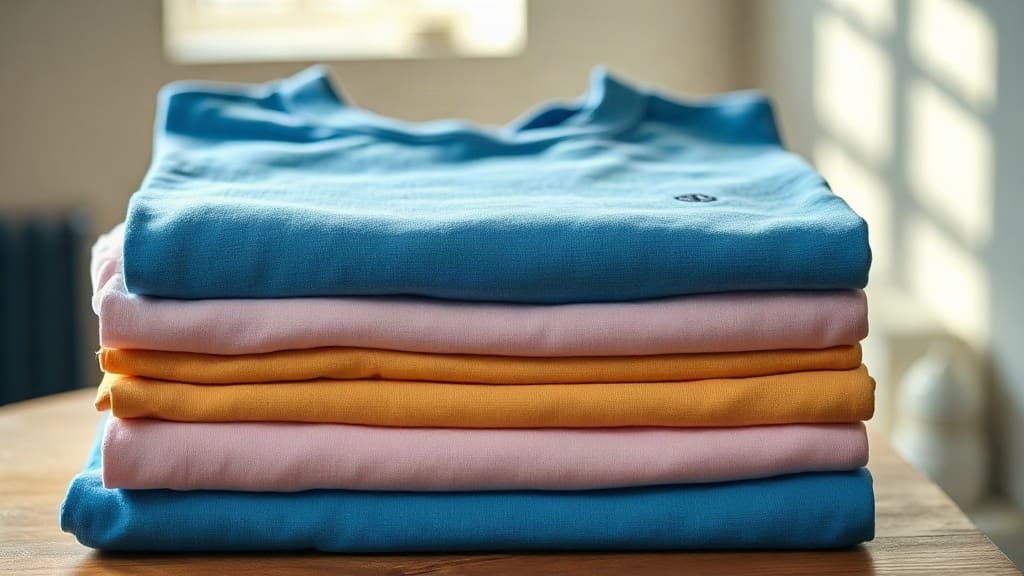
If you've ever watched a beautifully embroidered logo pucker, shift, or sink into the fabric after just a few washes, you know the frustration. The culprit is often not the embroidery machine or the thread, but the blank itself. In the world of custom apparel, smart blanks are the unsung heroes that make or break the final product. Whether you're a small business owner launching a branded merchandise line, a team manager ordering uniforms, or a hobbyist embroiderer, understanding what makes a blank 'smart' can transform your results from homemade to high-end.
What Exactly Are Smart Blanks?
The term smart blanks refers to garments and accessories specifically engineered or selected for decoration. Unlike ordinary retail t-shirts or hats, these blanks are designed with embroidery and printing in mind. They feature tighter weave structures, stable backing, and consistent sizing. Think of them as the canvas for your art: a poor canvas will crack, warp, or distort, no matter how skilled the painter. Smart blanks provide the ideal foundation for stitch-intensive designs, ensuring that every thread lays flat and stays put.
But it's not just about fabric quality. Smart blanks also encompass the entire supply chain: from the mill that spins the yarn to the cut-and-sew facility that assembles the garment. A truly smart blank has been tested for shrinkage, colorfastness, and needle penetration. It's a blank that has been vetted by embroiderers, not just fashion designers.
Why Smart Blanks Matter for Embroidery
Embroidery is a physical process. Each needle punch exerts force on the fabric. If the blank is too loose or too stretchy, the design will distort. If it's too stiff, the needle may break or the fabric may tear. Smart blanks strike a balance. They are typically made from combed cotton, polyester blends, or performance fabrics that have been pre-shrunk and stabilized. This means your embroidered logo will remain crisp and aligned, even after repeated wear and washing.
Moreover, smart blanks often come with features that simplify the embroidery process. For example, some have a special finish that reduces needle friction, allowing for faster stitching without thread breaks. Others have a consistent thickness that eliminates the need for multiple test runs. These small details add up to significant time and cost savings, especially for production runs.
Key Characteristics of a Smart Blank
- Density: A tight weave (at least 4.0 oz per square yard for t-shirts) prevents stitches from sinking.
- Stability: Minimal stretch in both directions to avoid puckering.
- Consistency: Uniform color and size across batches.
- Compatibility: Works well with various stabilizers and toppings.
- Durability: Withstands repeated washing without fading or fraying.
How to Identify Smart Blanks in a Crowded Market
Walk into any craft store or browse online, and you'll find hundreds of blank options. How do you separate the smart ones from the rest? Start by reading the product specifications. Look for terms like 'embroidery-friendly,' 'tight knit,' or 'low shrinkage.' Reputable suppliers often provide a recommended stitch count range. If a blank claims to handle 10,000 stitches but feels flimsy, be skeptical.
Another strategy is to order sample blanks and test them yourself. Embroider a small design on each, then wash and dry them according to the care label. Note any distortion, color bleeding, or thread breakage. Over time, you'll build a mental database of trusted blanks. Many embroiderers swear by specific brands like Bella+Canvas, Next Level, or District, but even within those brands, certain styles outperform others.
The Role of Fabric Content
Cotton is the classic choice for embroidery because it's stable and breathable. However, 100% cotton can shrink, so pre-shrunk options are better. Polyester blends offer durability and moisture-wicking properties, making them ideal for sportswear. Tri-blends (cotton, polyester, rayon) are soft but can be tricky for embroidery due to their stretch. For these, a smart blank would be one with a higher cotton content or a stabilizer backing. Performance fabrics like nylon or spandex require specialized techniques, but smart blanks in this category are engineered to handle the stress.
Choosing the Right Smart Blank for Your Project
Not all projects are the same. A corporate polo shirt demands a different blank than a lightweight festival t-shirt. Consider the end use: will the garment be worn daily or occasionally? Will it be washed frequently? Does the design have fine details or large filled areas? Answering these questions will guide you toward the appropriate weight and fabric.
For example, a left-chest logo on a polo works best on a medium-weight pique knit. A large back design on a t-shirt needs a heavier jersey to support the stitch count. Hats require structured fronts, so smart blanks for headwear often include buckram or foam backing. Accessories like bags and aprons benefit from canvas or twill, which are naturally sturdy.
Testing and Sampling
Never commit to a large order without sampling. Even the most promising smart blank can behave differently when paired with your specific design and thread. Order a few blanks, embroider your design, and evaluate the results. Check for registration, coverage, and hand-feel. If the blank passes, you've found a winner. If not, move on. This trial-and-error process is a normal part of professional embroidery, and it's how you develop an eye for quality.
Common Mistakes to Avoid with Smart Blanks
Even experienced embroiderers sometimes cut corners. Here are pitfalls to steer clear of:
- Ignoring fabric weight: Using a lightweight blank for a dense design leads to puckering.
- Skipping pre-washing: If the blank isn't pre-shrunk, your garment may shrink after embroidery, causing the design to bunch.
- Using the wrong stabilizer: Smart blanks still need proper backing; cut-away for stretchy fabrics, tear-away for stable wovens.
- Overlooking colorfastness: Cheap dyes can bleed during washing, ruining the embroidery.
- Assuming all blanks are equal: Two shirts from the same brand can vary by production run. Always check the batch.
Maximizing Results with Smart Blanks
Once you've selected your smart blanks, a few best practices will ensure success. First, always use a fresh needle appropriate for the fabric. Second, adjust your tension and stitch density based on the blank's characteristics. Third, consider adding a topping like Solvy for terry cloth or fleece to prevent stitches from sinking. Finally, finish with a good pressing to set the stitches and remove any hoop marks.
Investing time in understanding your blanks pays off in customer satisfaction. A garment that looks great and lasts builds trust and repeat business. Whether you're selling custom apparel or creating team uniforms, the blank is your foundation. Choose wisely.
Frequently Asked Questions About Smart Blanks
What are smart blanks and why are they important for embroidery?
Smart blanks are garments specifically designed for decoration. They have tight weaves, stable construction, and consistent sizing, which prevent puckering and distortion during embroidery. They are important because they ensure a professional finish and durability.
How do I know if a blank is embroidery-friendly?
Check the product description for terms like 'tight knit,' 'low shrinkage,' or 'embroidery recommended.' You can also do a simple stretch test: if the fabric stretches easily, it may need stabilizer. Reading reviews from other embroiderers is also helpful.
Can I use any blank for embroidery?
Technically, yes, but results will vary. Lightweight or highly stretchy fabrics often lead to poor outcomes. For best results, choose blanks with a weight of at least 4.0 oz and minimal stretch. When in doubt, test a sample first.
What is the best fabric for smart blanks?
It depends on the application. 100% combed cotton is excellent for t-shirts and polos. Polyester blends are great for performance wear. For hats, structured cotton twill or canvas works well. The key is to match the fabric to the design and end use.
How should I care for embroidered garments made from smart blanks?
Turn the garment inside out and wash in cold water on a gentle cycle. Avoid bleach and fabric softeners, which can degrade the embroidery. Tumble dry low or hang dry. Following these steps will keep the embroidery looking new for years.