
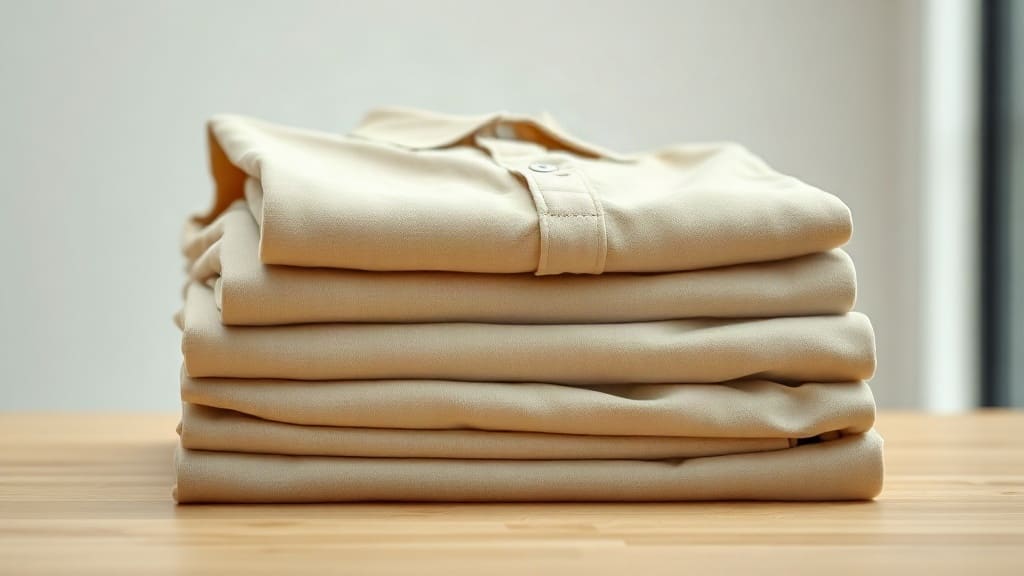
Imagine a garment that not only looks good but also responds to your body, regulates temperature, and serves as the perfect canvas for your custom designs. That's the promise of smart blanks, a new category of apparel blanks engineered with advanced fabrics and finishes that elevate both performance and personalization. Whether you're an embroiderer, screen printer, or a brand looking to offer cutting-edge merch, understanding smart blanks can give you a significant edge.
What Exactly Are Smart Blanks?
In the custom apparel world, a "blank" is an undecorated garment ready for your logo, artwork, or message. Smart blanks take this concept further by integrating technology into the fabric itself. These aren't just soft cottons or durable polyesters; they are materials enhanced with features like moisture-wicking, antimicrobial properties, UV protection, and even phase-change materials that adapt to body temperature. The result is a blank that offers superior comfort and functionality while remaining ideal for decoration.
Unlike traditional blanks that may require special handling during embroidery or printing, smart blanks are designed with decoration in mind. Their surfaces are optimized for stitch penetration, ink adhesion, and color vibrancy, making them a dream for customizers who want both performance and aesthetics.
Why Smart Blanks Matter for Customization
When you choose a blank for a project, you consider factors like fabric weight, color options, and cost. Smart blanks add another layer: they bring value to the end-user. For corporate clients, a smart polo that wicks sweat and fights odor is a better gift than a standard one. For athletic teams, a smart jersey that regulates temperature can improve performance. For fashion brands, a smart hoodie that resists wrinkles and stains offers everyday practicality.
From a decoration standpoint, smart blanks often have tighter tolerances and smoother surfaces, which means your embroidery or print looks sharper and lasts longer. They also tend to hold up better after repeated washings, preserving the custom design's appearance.
Key Technologies in Smart Blanks
- Moisture Management: Fabrics that pull sweat away from the skin and dry quickly, keeping the wearer comfortable.
- Antimicrobial Treatments: Silver-ion or other treatments that inhibit odor-causing bacteria, ideal for activewear and uniforms.
- UV Protection: Built-in UPF ratings that shield the skin from harmful rays, perfect for outdoor events and workwear.
- Temperature Regulation: Phase-change materials or breathable membranes that adapt to body heat, maintaining comfort in varying conditions.
- Stain and Wrinkle Resistance: Finishes that make garments easier to care for and keep them looking professional.
Choosing the Right Smart Blank for Your Project
Not all smart blanks are created equal. The best choice depends on your end-use. For corporate apparel, consider polos and button-downs with wrinkle-resistant finishes and antimicrobial properties. For sportswear, look for moisture-wicking knits with four-way stretch. For promotional giveaways, lightweight tees with UV protection and soft hand feel are winners.
Also, think about decoration method. Embroidery works beautifully on stable knits and wovens; smart blanks in these categories often have a tight weave that supports high stitch counts without puckering. For screen printing, you'll want fabrics with a smooth surface and minimal texture. DTG printing requires a high cotton content or specialized coatings, so check compatibility.
Embroidery Considerations
Smart blanks designed for embroidery typically have a stable backing or are tightly knit to prevent distortion. Some even come with a built-in stabilizer, saving you a step. When embroidering on performance fabrics, use a sharp needle and a lightweight cutaway stabilizer to avoid damaging the fabric's technical properties. Always test on a swatch first.
Printing Considerations
For screen printing, plastisol inks adhere well to most smart blanks, but if the fabric has a high elastane content, you'll need a stretch additive. Water-based inks work great on natural fiber smart blanks, giving a soft hand. For DTG, choose blanks with a high cotton count and a special pretreatment for best results. Heat transfer vinyl is another option, but be mindful of temperature settings to avoid damaging the fabric's finish.
How Smart Blanks Are Made
Manufacturers create smart blanks by blending advanced fibers, applying topical finishes, or embedding technologies at the yarn stage. For example, some yarns are engineered with channels that transport moisture, while others are infused with antimicrobial silver particles. Fabrics may also undergo mechanical treatments like brushing or calendering to enhance softness or smoothness.
The key is that these technologies are integrated without compromising the garment's ability to be decorated. That means no flaking, no clogging of embroidery needles, and no fading of prints after washing.
The Business Case for Smart Blanks
Offering smart blanks can differentiate your brand in a crowded market. Customers are increasingly willing to pay a premium for apparel that offers functional benefits. According to industry surveys, comfort and performance are top priorities for buyers of custom apparel, especially in the corporate and sports sectors. By stocking smart blanks, you position yourself as a forward-thinking provider.
Moreover, smart blanks can reduce returns and complaints because they perform better in real-world use. A shirt that stays fresh and dry is less likely to be returned than one that doesn't.
Cost vs. Value
Smart blanks typically cost more than basic blanks, but the added value justifies the price. When you factor in the enhanced durability, comfort, and marketability, the return on investment can be substantial. For many businesses, the ability to offer a superior product outweighs the higher upfront cost.
Future Trends in Smart Blanks
As technology advances, we can expect even more innovative smart blanks. Think fabrics that change color based on temperature, or integrate conductive threads for wearable tech. Sustainable smart blanks made from recycled materials with eco-friendly finishes are also on the rise. Staying informed about these developments will keep your customization business ahead of the curve.
Embracing smart blanks isn't just about keeping up with trends; it's about delivering greater value to your customers and setting your work apart.
Frequently Asked Questions About Smart Blanks
What makes a blank "smart"?
A blank is considered smart when it incorporates technology that adds functionality beyond traditional fabrics, such as moisture-wicking, antimicrobial properties, UV protection, or temperature regulation. These features are built into the fabric or applied as a finish, enhancing comfort and performance.
Can I embroider on smart blanks?
Absolutely. Smart blanks are designed to be decoration-friendly. However, because of their technical properties, you should use appropriate stabilizers and needles to avoid damaging the fabric. Always test on a sample first to ensure optimal results.
Are smart blanks more expensive?
Yes, they typically come at a higher price point than basic blanks due to the advanced materials and treatments. However, the added value in terms of performance, durability, and customer satisfaction often justifies the investment.
Where can I buy smart blanks?
Many major wholesale suppliers now carry smart blanks. Look for brands that specialize in performance fabrics. You can also find them through online distributors that cater to the decorated apparel industry. Always request samples to evaluate quality and decoration compatibility.
Do smart blanks require special care?
Most smart blanks are machine washable, but it's best to follow the care label. Avoid fabric softeners and bleach, which can clog technical fibers or reduce antimicrobial effectiveness. Tumble dry low or hang dry to prolong the life of the garment.