
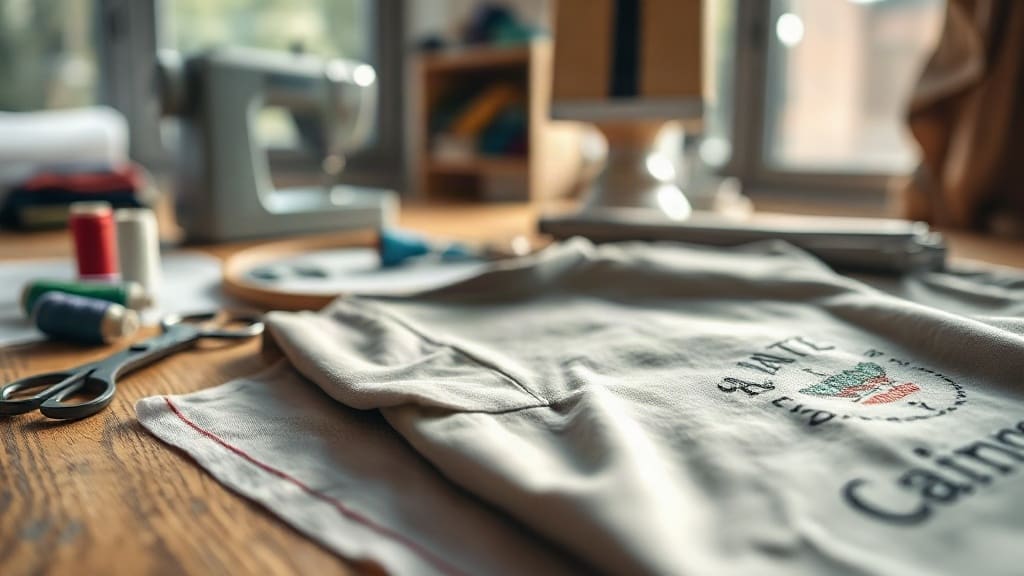
Every embroiderer knows the frustration: you spend hours perfecting a design, only to have it pucker, shift, or look lackluster on the final garment. The culprit often isn't your stitching skills—it's the blank you chose. Enter smart blanks, a category of apparel designed specifically to enhance embroidery outcomes. Unlike standard blanks, these garments are engineered with features that stabilize stitches, reduce puckering, and maintain shape wash after wash. Whether you're a hobbyist or running a commercial shop, understanding smart blanks can transform your work from good to unforgettable.
In this guide, we'll explore what makes smart blanks different, how to select the right ones for your projects, and techniques to maximize their potential. You'll also learn why they're worth the investment and how to avoid common pitfalls. By the end, you'll be equipped to choose smart blanks confidently and achieve embroidery that looks professionally finished every time.
What Are Smart Blanks?
Smart blanks are garments—such as t-shirts, polos, hoodies, and bags—specifically manufactured with embroidery in mind. They go beyond basic blanks by incorporating design elements that support the embroidery process. These may include:
- Reinforced stitching areas: Extra fabric layers or stabilizers built into the garment at common embroidery zones (left chest, sleeves, etc.).
- Tight weave construction: Dense knitting that prevents stitches from sinking into the fabric, ensuring crisp design edges.
- Minimal shrinkage: Pre-shrunk or high-quality cotton blends that resist distortion after washing.
- Stable backing: Integrated fusible or cut-away stabilizers that eliminate the need for separate backing in many cases.
These features reduce the risk of common embroidery issues like puckering, misalignment, and thread breaks. Smart blanks are not just a marketing gimmick; they address real pain points that embroiderers face daily.
Why Smart Blanks Matter for Embroidery Quality
Embroidery on ordinary blanks can be a gamble. A flimsy t-shirt might stretch under the needle, causing designs to distort. A loosely woven fabric can let stitches disappear into the texture. Smart blanks eliminate these variables by providing a stable foundation. Here's how they make a difference:
Reduced Puckering
Puckering occurs when the fabric pulls around the stitches, creating wrinkles. Smart blanks with tight weaves and built-in stabilization resist this, so your design lies flat and smooth.
Improved Durability
Because smart blanks are constructed to handle dense embroidery, the garment and the stitching both last longer. You won't see threads pulling out or fabric tearing after a few wears.
Consistent Results
When you use smart blanks, you can replicate the same high-quality outcome across multiple pieces. This consistency is crucial for businesses that need uniform branded apparel.
How to Choose the Right Smart Blanks
Not all smart blanks are created equal. Selecting the right one depends on your project's specific needs. Consider these factors:
Fabric Type and Weight
Different fabrics behave differently under embroidery. For lightweight designs, a soft cotton or cotton-poly blend works well. For heavier, denser designs, choose a sturdy canvas or denim smart blank. The weight of the fabric should match the complexity of your embroidery.
Stabilization Features
Some smart blanks come with built-in stabilizers, while others are designed to work with specific backing types. Check the product specifications to see if additional stabilizer is needed. If you're unsure, opt for blanks with integrated stabilization for foolproof results.
Size and Fit
Embroidery can affect how a garment drapes. Smart blanks are often cut with extra room to accommodate stitching without pulling. Always consider the final fit, especially for fitted styles.
Color and Texture
Light-colored fabrics may require a backing to prevent the embroidery from showing through. Dark fabrics can make certain thread colors pop. Smart blanks come in a range of colors and textures, so test a sample before committing to a large order.
Techniques for Embroidering on Smart Blanks
Even with the best smart blanks, your technique matters. Follow these tips to get the most out of these innovative garments:
Proper Hooping
Hoop the garment securely, but avoid overstretching. Smart blanks are designed to be stable, but excessive tension can still cause distortion. Use a hoop that matches the embroidery area and ensure the fabric is taut like a drum.
Needle and Thread Selection
Use sharp needles appropriate for the fabric weight. For dense designs on smart blanks, a 75/11 or 80/12 needle works well. Choose a high-quality embroidery thread that complements the fabric without adding bulk.
Stabilizer Strategy
If your smart blank doesn't have built-in stabilizer, add a cut-away or tear-away backing. For stretchy fabrics, a cut-away stabilizer provides better support. Always test on a scrap piece first.
Stitch Density and Underlay
Digitize your design with appropriate underlay stitches to anchor the top stitching. Avoid overly dense designs that can stiffen the fabric. Smart blanks can handle more density than regular blanks, but balance is key.
Common Mistakes to Avoid
Even with smart blanks, some errors can sabotage your project. Watch out for these:
- Skipping a test run: Always embroider a sample on the same fabric to check tension and alignment.
- Using the wrong stabilizer: Too light a stabilizer won't prevent puckering; too heavy can cause ridges.
- Ignoring fabric grain: Hoop the garment along the grain to prevent distortion.
- Overstretching during hooping: This leads to puckering once the hoop is removed.
By avoiding these pitfalls, you'll ensure your smart blanks live up to their potential.
Frequently Asked Questions
What exactly makes a blank "smart" for embroidery?
A smart blank is designed with features that enhance embroidery, such as reinforced stitching areas, tight weave, and built-in stabilizers. These reduce common issues like puckering and misalignment.
Can I use smart blanks for other decorating methods like screen printing or vinyl?
Yes, many smart blanks are versatile and work well with screen printing, heat transfer vinyl, and other techniques. However, their primary advantage is for embroidery.
Are smart blanks more expensive than regular blanks?
They often cost slightly more due to their specialized construction, but the reduced waste and improved results can save you money in the long run.
Do I still need to use stabilizer with smart blanks?
It depends on the blank. Some have integrated stabilizers, while others require additional backing. Always check the product details and test a sample.
How do I wash smart blanks with embroidery to keep them looking new?
Turn the garment inside out and wash in cold water on a gentle cycle. Avoid bleach and tumble dry on low. This preserves both the fabric and the embroidery.
Smart blanks are a game-changer for anyone serious about embroidery. By choosing the right blanks and applying proper techniques, you'll achieve consistent, professional results that impress clients and elevate your craft. Explore the selection at embroideredus.com to find smart blanks that match your next project's needs.