
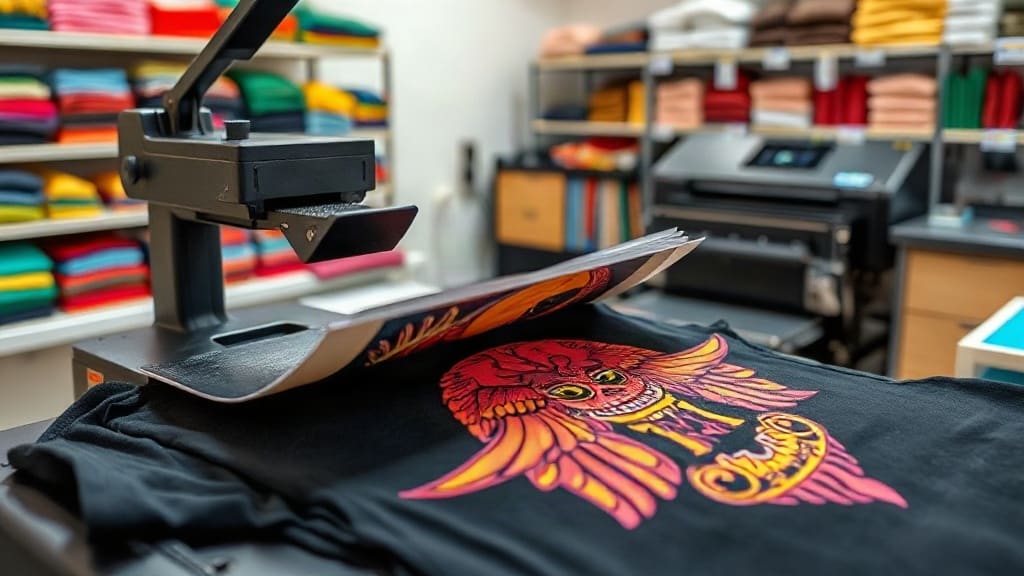
Custom apparel has never been more accessible, thanks to DTF transfers. Whether you're a small business owner looking to offer unique merchandise, a sports team coordinator needing matching jerseys, or a DIY enthusiast wanting to personalize gifts, DTF printing provides a versatile and cost-effective solution. Unlike traditional methods that require specific fabrics or extensive setup, DTF transfers work on a wide range of materials and colors, delivering vibrant, long-lasting results. In this guide, we'll walk you through everything you need to know about DTF transfers: how they work, why they're gaining popularity, and how you can use them to bring your creative ideas to life.
What Are DTF Transfers?
DTF stands for Direct-to-Film. It's a printing technology where your design is printed onto a special PET film using water-based inks, then coated with a hot-melt adhesive powder. Once the powder is cured, the transfer is ready to be applied to fabric using a heat press. The result is a soft, stretchable, and durable print that bonds permanently to the material. Unlike DTG (Direct-to-Garment) printing, which requires pre-treatment and works best on cotton, DTF transfers can be applied to almost any fabric: cotton, polyester, blends, nylon, leather, and even canvas. This flexibility makes DTF a game-changer for custom apparel businesses and hobbyists alike.
How Does the DTF Printing Process Work?
The DTF process involves several key steps, each crucial to achieving a high-quality transfer. Let's break it down:
1. Design Preparation
First, you need a digital design. This can be created in graphic software like Adobe Photoshop or Illustrator, or you can use ready-made graphics. The design is then printed in mirror image onto a special film. The printer uses CMYK plus white ink, which allows for vibrant colors and opacity on dark fabrics. White ink acts as a base, ensuring the colors pop even on black or navy garments.
2. Printing onto Film
A DTF printer prints the design onto a PET film. The film is coated with a release layer that allows the ink to transfer later. After printing, the film is dusted with a hot-melt adhesive powder. This powder is essential; it acts as the glue that binds the ink to the fabric during heat application. Excess powder is shaken off, and the film is then cured in an oven or with a heat gun until the powder melts and forms a smooth, even layer.
3. Heat Press Application
Once the transfer is cured, it's ready to be applied. You place the transfer onto your fabric with the adhesive side down, and use a heat press at around 300-325°F (150-160°C) for 10-15 seconds with medium pressure. After pressing, you peel off the film while it's still hot (hot peel) or after it cools (cold peel), depending on the film type. The result is a vibrant, flexible print that stretches with the fabric and withstands repeated washing.
Why Choose DTF Transfers for Your Custom Apparel?
There are several compelling reasons why DTF transfers have become a favorite among apparel decorators. Here are the main advantages:
- Fabric Versatility: Works on cotton, polyester, blends, nylon, leather, and more. No need for separate inventories for different fabric types.
- No Pre-Treatment: Unlike DTG, DTF doesn't require pre-treating the garment, saving time and money.
- Vibrant Colors on Any Background: The white ink base ensures colors remain bright and opaque, even on dark garments.
- Soft Hand Feel: The prints are thin and flexible, so they don't feel heavy or plastic-like.
- Durability: When applied correctly, DTF transfers withstand 50+ washes without fading, cracking, or peeling.
- Cost-Effective for Small Runs: No minimum order quantities, making it ideal for one-off custom pieces or small batches.
- Detailed Designs: DTF can reproduce intricate details, gradients, and fine lines with impressive accuracy.
DTF vs. Other Printing Methods
Understanding how DTF compares to other common printing techniques can help you choose the right method for your project. Let's look at DTF versus DTG, screen printing, and vinyl.
DTF vs. DTG
DTG printing is excellent for 100% cotton garments and produces soft prints, but it requires pre-treatment and can be slow. DTF, on the other hand, works on nearly any fabric, doesn't need pre-treatment, and often yields more vibrant colors on dark shirts. However, DTF transfers have a slightly thicker feel than DTG, though still comfortable.
DTF vs. Screen Printing
Screen printing is cost-effective for large orders (100+ pieces) and offers very durable prints. But it requires separate screens for each color, making it expensive for small runs or multi-color designs. DTF shines for small to medium orders and complex designs with many colors, as there are no setup fees per color.
DTF vs. Heat Transfer Vinyl (HTV)
HTV is great for simple, single-color designs and is easy to use with a home iron or heat press. However, layering multiple colors can be time-consuming and result in a thick, stiff feel. DTF allows for full-color, detailed designs in one press, with a softer finish.
Applications of DTF Transfers
The versatility of DTF transfers opens up a world of possibilities. Here are some popular applications:
- Custom T-shirts: Perfect for personalizing tees for events, teams, or resale.
- Hoodies and Sweatshirts: DTF adheres well to fleece and cotton blends, making it ideal for cozy apparel.
- Sportswear: The stretchability of DTF prints makes them suitable for jerseys, leggings, and performance wear.
- Bags and Accessories: Add logos or designs to tote bags, backpacks, and hats (though pressing on curved surfaces requires care).
- Home Decor: Personalize pillows, blankets, and even canvas shoes.
Tips for Successful DTF Transfer Application
To get the best results with DTF transfers, follow these expert tips:
- Choose the Right Film: Not all DTF films are created equal. Look for films designed for your printer and ink type. Some films are hot peel, others cold peel; follow the manufacturer's instructions.
- Control Moisture: Fabric should be dry before pressing. Moisture can cause uneven adhesion. Pre-press the garment for a few seconds to remove wrinkles and moisture.
- Use Consistent Pressure: A heat press with uniform pressure is key. Too little pressure and the transfer won't adhere; too much and the design may spread or the fabric may scorch.
- Mind the Temperature: Stick to the recommended temperature range (usually 300-325°F). Too hot and the film may melt; too cool and the adhesive won't activate.
- Peel at the Right Time: If using hot peel, remove the film immediately after pressing while it's still hot. For cold peel, wait until it cools completely. Peeling too early or too late can ruin the transfer.
- Post-Press for Durability: After peeling, cover the design with a Teflon sheet or parchment paper and press again for 5-10 seconds. This ensures the adhesive fully bonds and improves washability.
- Wash Inside Out: To extend the life of your DTF-printed apparel, wash inside out in cold water and tumble dry low or hang dry. Avoid bleach and fabric softeners.
Common Mistakes to Avoid
Even with a straightforward process, beginners often encounter issues. Here are some common pitfalls and how to avoid them:
- Using Too Much Powder: Excess adhesive powder can create a rough texture and cause the print to crack. Shake off excess thoroughly before curing.
- Under-Curing the Powder: If the powder isn't fully melted, the transfer won't adhere properly. Ensure the film is cured until the powder looks glossy, not grainy.
- Pressing on Uneven Surfaces: For zippers, seams, or buttons, use a pressing pillow or platen to ensure even pressure.
- Ignoring Fabric Type: While DTF works on many fabrics, some like highly textured or coated materials may require special handling. Test on a scrap first.
- Reusing Film: DTF film is single-use. Attempting to reuse it will result in poor transfers.
Frequently Asked Questions About DTF Transfers
How long do DTF transfers last?
When applied correctly, DTF transfers can last as long as the garment itself, often enduring 50 or more washes without significant fading, cracking, or peeling. Proper washing and drying practices will maximize longevity.
Can I use DTF transfers on 100% polyester?
Yes, DTF transfers adhere well to polyester and polyester blends. The key is to use a lower temperature (around 300°F) and light pressure to avoid damaging the fabric, and always test on a scrap first.
Do I need a special printer for DTF?
You can convert a standard inkjet printer to use DTF inks, but it's recommended to use a dedicated DTF printer for best results. These printers are designed to handle the white ink and film feeding mechanisms required for DTF.
What is the difference between hot peel and cold peel DTF film?
Hot peel film allows you to remove the carrier film immediately after pressing while it's still hot, which speeds up production. Cold peel film requires you to wait until the transfer cools completely before peeling. The choice depends on your workflow and the film's specifications.
Can I stretch DTF prints?
Yes, DTF prints are flexible and can stretch with the fabric without cracking, making them ideal for athletic wear and stretchy materials. However, excessive stretching may still cause minor cracks over time.
Conclusion
DTF transfers have revolutionized the custom apparel industry by offering unmatched versatility, vibrant colors, and durability. Whether you're a professional decorator or a DIY enthusiast, incorporating DTF into your workflow can expand your creative possibilities and help you deliver high-quality products. With the right equipment, techniques, and attention to detail, you can achieve professional results that impress your customers or gift recipients. So why wait? Explore the world of DTF transfers and elevate your custom apparel game today.