
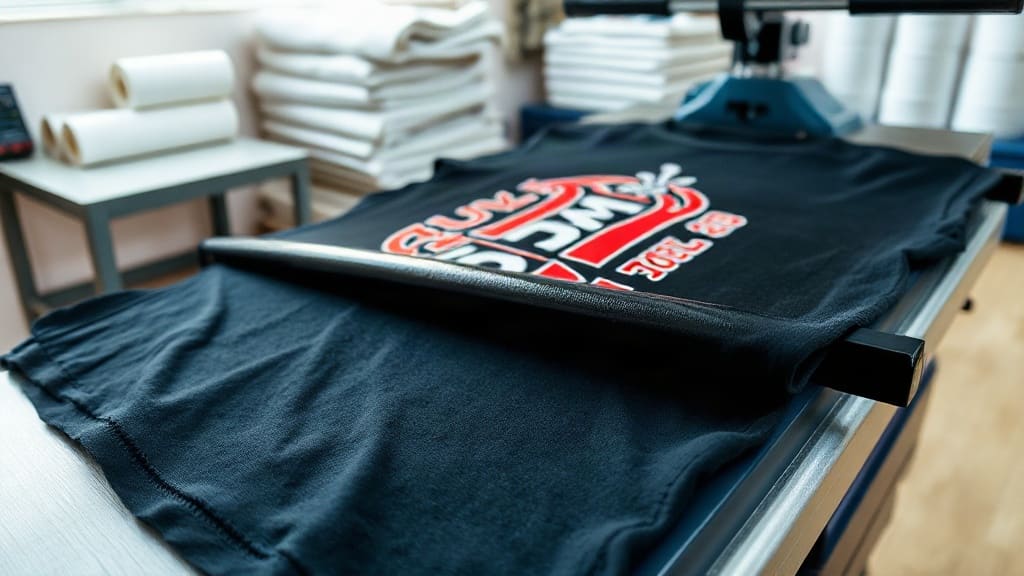
When you want custom apparel that stands out, the printing method you choose makes all the difference. Enter DTF transfers—a technology that's rapidly become a favorite for creating vibrant, long-lasting designs on everything from cotton tees to polyester blends. Unlike traditional methods that limit your fabric choices, DTF opens up a world of possibilities. In this guide, we'll walk you through what DTF transfers are, how they work, and why they might be the perfect solution for your next project.
What Are DTF Transfers?
DTF stands for Direct to Film. It's a printing process where your design is printed onto a special film, coated with a powder adhesive, and then heat-pressed onto the fabric. The result is a soft, stretchable print that bonds permanently to the material. Because the design sits on top of the fabric rather than being dyed into it, DTF transfers can produce incredibly bright colors, including white and neon shades, even on dark garments.
One of the biggest advantages of DTF transfers is their versatility. They adhere to a wide range of fabrics—cotton, polyester, blends, and even treated nylon—without the need for pre-treatment. This makes them ideal for small businesses, crafters, and anyone looking to create custom apparel without investing in expensive equipment like screen printing setups.
How DTF Transfers Work: Step by Step
Understanding the DTF process helps you appreciate the quality and durability of the final product. Here's a breakdown of the key steps:
- Design Preparation: Your artwork is prepared digitally, ensuring it's mirrored and sized correctly for the garment.
- Printing: A specialized DTF printer lays down a layer of white ink (for opacity) followed by the colored inks onto a PET film. The white ink acts as a base so colors pop on any fabric.
- Powder Application: While the ink is still wet, a hot-melt adhesive powder is sprinkled over the film. The excess powder is shaken off, leaving adhesive only on the printed areas.
- Curing: The film is heated to melt the powder, creating a smooth, dry surface that will bond to the fabric.
- Heat Pressing: The cured film is placed on the garment and pressed with a heat press at a specific temperature and pressure for a set time. The adhesive melts, fusing the design to the fabric.
- Peeling: After pressing, the film is peeled away (hot or cold peel depending on the adhesive), leaving the vibrant design behind.
Each step is crucial for achieving a professional finish. While the process might sound complex, many suppliers offer pre-printed DTF transfers that you can simply press onto your own garments, eliminating the need for printers and powder.
Why Choose DTF Transfers for Your Custom Apparel?
DTF transfers have gained massive popularity for good reason. Here are some compelling benefits:
- Unmatched Versatility: Works on almost any fabric, including cotton, polyester, blends, and even leather. No need for multiple printing methods.
- Vibrant Colors: The white ink base allows for bright, opaque colors on dark backgrounds, which is a challenge for other methods like DTG.
- Durability: When applied correctly, DTF prints withstand repeated washing without fading, cracking, or peeling. They stretch with the fabric, making them great for activewear.
- Cost-Effective for Small Runs: Unlike screen printing, which requires separate screens for each color, DTF transfers are economical for small batches and one-off designs.
- Soft Feel: Advances in adhesive powders and films have made DTF prints incredibly soft to the touch, avoiding the heavy, plastic-like feel of some heat transfers.
- No Weeding or Cutting: With DTF, there's no need to weed vinyl or cut intricate designs. The printer handles all the details.
These advantages make DTF transfers a top choice for custom t-shirts, hoodies, tote bags, and more. Whether you're a small business owner or a DIY enthusiast, DTF offers a professional look without the steep learning curve.
DTF Transfers vs. Other Printing Methods
How does DTF stack up against other popular techniques? Let's compare:
DTF vs. DTG (Direct to Garment)
DTG prints directly onto the fabric, which works best on 100% cotton. On polyester, the colors can look dull, and the print may crack over time. DTF, on the other hand, adheres to both cotton and polyester, and the white ink base ensures vibrant colors on any garment. DTF also requires less pre-treatment, saving time.
DTF vs. Screen Printing
Screen printing is cost-effective for large orders but expensive for small runs due to setup costs. It also struggles with detailed designs and gradients. DTF excels in small batches and complex artwork, with no color limitations. However, for very large orders, screen printing can be more economical per unit.
DTF vs. Vinyl (HTV)
Heat transfer vinyl is great for simple, single-color designs but can't handle full-color images or gradients. Weeding vinyl is time-consuming and tricky for intricate cuts. DTF transfers handle any design complexity and eliminate weeding entirely.
Each method has its place, but DTF's versatility and quality make it a strong contender for a wide range of projects.
Tips for Successful DTF Transfer Application
To get the best results with DTF transfers, follow these expert tips:
- Choose the Right Film: Not all DTF films are created equal. Look for films designed for your fabric type (e.g., stretch films for activewear).
- Preheat the Garment: This removes moisture and wrinkles, ensuring a smooth surface for the transfer.
- Use Consistent Pressure: Heat press pressure should be even across the design. Too little pressure causes poor adhesion; too much can cause the ink to spread.
- Follow Temperature and Time Guidelines: Typically, DTF transfers require 300-325°F for 10-15 seconds. Always check the supplier's recommendations.
- Peel at the Right Temperature: Some transfers are hot peel, others cold peel. Peeling at the wrong temperature can ruin the design.
- Wash Inside Out: To prolong the life of your DTF print, wash the garment inside out in cold water and tumble dry low.
By following these tips, you'll achieve professional-looking results that last.
Common Applications of DTF Transfers
DTF transfers are used across various industries and personal projects. Here are some popular applications:
- Custom T-Shirts and Hoodies: Perfect for personalized gifts, team uniforms, and brand merch.
- Activewear: The stretchable nature of DTF prints makes them ideal for leggings, sports jerseys, and yoga tops.
- Bags and Accessories: Tote bags, backpacks, and even shoes can be customized with DTF.
- Corporate Apparel: Companies use DTF for logoed polos, jackets, and caps.
- Promotional Items: Small businesses create branded merchandise for events and giveaways.
The possibilities are nearly endless, limited only by your imagination.
Frequently Asked Questions About DTF Transfers
How long do DTF transfers last?
With proper application and care, DTF transfers can last as long as the garment itself. They resist fading, cracking, and peeling through dozens of washes. Following washing instructions (inside out, cold water) will maximize longevity.
Can I apply DTF transfers to 100% polyester?
Yes, DTF transfers work beautifully on polyester and polyester blends. The low-temperature application and stretchable adhesive prevent the ink from cracking, which is a common issue with other methods on polyester.
Do I need special equipment to use DTF transfers?
To apply pre-printed DTF transfers, you only need a heat press. If you want to print your own transfers, you'll need a DTF printer, powder, and a curing oven, which is a larger investment.
Are DTF transfers safe for children's clothing?
Yes, DTF transfers are safe for children's clothing when applied correctly. The inks and adhesives used are generally non-toxic and CPSIA-compliant. Always check with your supplier for specific certifications.
How do I store unused DTF transfers?
Store unused DTF transfers in a cool, dry place, away from direct sunlight. Keep them in a sealed bag to prevent dust and moisture from affecting the adhesive. Properly stored transfers can last for several months.
DTF transfers are revolutionizing the custom apparel industry with their versatility, vibrant colors, and durability. Whether you're a business owner looking to offer custom products or a hobbyist wanting to create unique garments, DTF transfers provide a reliable and cost-effective solution. With the tips and insights shared here, you're well-equipped to embark on your DTF journey. For high-quality DTF transfers and supplies, trust the experts at EmbroideredUS to help you bring your designs to life.