
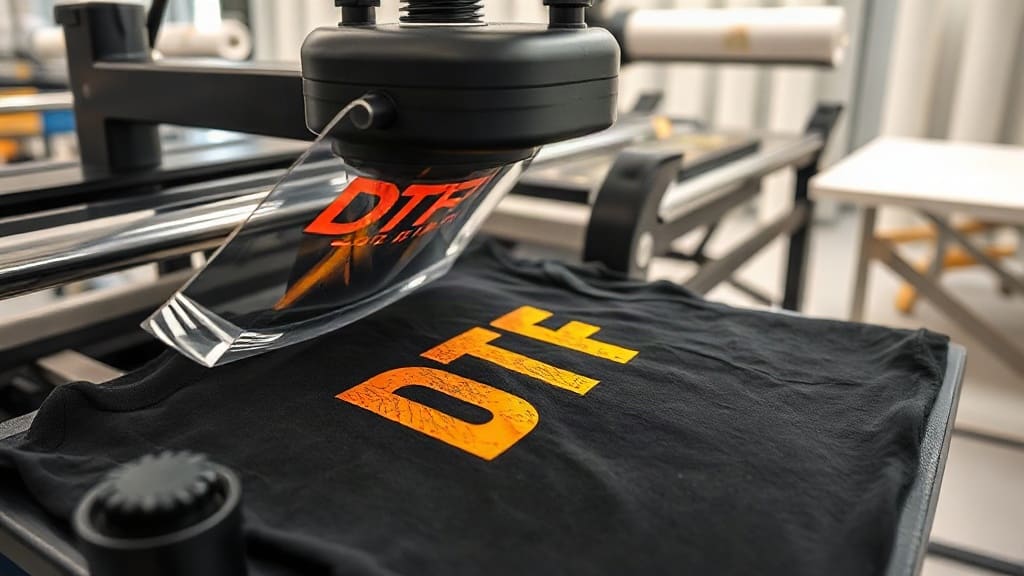
If you've been exploring custom apparel printing, you've likely encountered DTF transfers. This technology has rapidly gained popularity for its versatility and vibrant results. Unlike traditional methods, DTF transfers allow you to print full-color designs on a wide range of fabrics without the need for weeding or special pretreatment. In this guide, we'll dive deep into what DTF transfers are, how they work, and why they might be the perfect solution for your next project.
What Are DTF Transfers?
DTF stands for Direct to Film. It's a printing method where your design is printed onto a special PET film using water-based inks, then coated with a thermoplastic adhesive powder. Once the powder is melted, the transfer is ready to be applied to fabric using a heat press. The result is a soft, stretchable, and durable print that adheres well to cotton, polyester, blends, and even treated nylon. Unlike DTG (Direct to Garment), DTF doesn't require the fabric to be pre-treated, making it a cost-effective and efficient option for small businesses and hobbyists alike.
How DTF Transfers Differ from Other Printing Methods
When choosing a printing method, it's essential to understand the differences. Here's how DTF compares to some common alternatives:
- DTG (Direct to Garment): DTG prints directly onto the garment, but it works best on 100% cotton and often requires pretreatment. DTF, on the other hand, can be applied to almost any fabric and doesn't need pretreatment.
- Screen Printing: Screen printing is cost-effective for large orders but requires separate screens for each color, making it less practical for complex, multi-color designs. DTF handles full-color designs in a single transfer.
- Vinyl (HTV): Heat transfer vinyl is great for simple designs but requires weeding and layering for multi-color prints. DTF eliminates weeding and allows for intricate details.
The DTF Transfer Process Step by Step
Understanding the process helps you achieve professional results. Here's a breakdown of the key steps:
- Design Preparation: Create your artwork and mirror it horizontally. This is crucial because the transfer is applied face-down.
- Printing: Using a DTF printer, the design is printed onto a PET film with CMYK and white inks. The white ink acts as a base for vibrant colors on dark fabrics.
- Powdering: While the ink is still wet, a hot-melt adhesive powder is applied evenly over the design. Excess powder is shaken off.
- Curing: The film is heated to melt the powder, creating a dry, tack-free surface. This can be done with a heat press or a curing oven.
- Transfer Application: The cured transfer is placed on the fabric and pressed with a heat press at specific temperature, pressure, and time.
- Peeling: After pressing, the film is peeled off either hot or cold, depending on the adhesive used. The design remains on the fabric.
Benefits of Using DTF Transfers
DTF transfers offer numerous advantages that make them a preferred choice for many:
- Fabric Versatility: Works on cotton, polyester, blends, leather, and more.
- No Pretreatment: Saves time and equipment costs.
- Vibrant Colors: White ink base ensures bright prints on dark garments.
- Durability: Prints withstand repeated washing without cracking or fading.
- Cost-Effective for Short Runs: No minimum order quantity, ideal for custom pieces.
- Soft Hand Feel: Thin and stretchable, comfortable to wear.
Applications of DTF Transfers
DTF transfers are used in various industries and personal projects. Common applications include:
- Custom t-shirts, hoodies, and sportswear
- Corporate uniforms and promotional items
- Personalized gifts like tote bags and pillows
- Small business apparel lines
- Event merchandise and team jerseys
Tips for Successful DTF Transfer Application
To get the best results, follow these practical tips:
- Choose the Right Film: Use quality PET film designed for DTF; cheap films can cause ink bleeding or poor adhesion.
- Control Moisture: Fabric should be dry before pressing; moisture can affect adhesion.
- Pre-Press Garment: Briefly pre-press to remove wrinkles and moisture.
- Even Pressure: Ensure your heat press applies consistent pressure across the transfer.
- Follow Temperature Guidelines: Typically 300-320°F (150-160°C) for 10-15 seconds, but check your adhesive specs.
- Peel at the Right Time: Some transfers require hot peel, others cold; follow the manufacturer's instructions.
- Wash Inside Out: To prolong life, wash garments inside out in cold water and avoid harsh detergents.
Common Mistakes to Avoid
Even experienced printers can make mistakes. Here are pitfalls to watch for:
- Insufficient Powder: Too little adhesive leads to poor wash durability.
- Over-Curing: Can make the transfer brittle and yellow.
- Wrong Pressure: Too little pressure causes incomplete transfer; too much can cause ink spread.
- Peeling Too Soon or Too Late: Can result in the design lifting or leaving residue.
- Using Wrong Fabric: While DTF is versatile, some fabrics like untreated nylon may require special handling.
Frequently Asked Questions About DTF Transfers
Can DTF transfers be applied to 100% polyester?
Yes, DTF transfers work well on 100% polyester. However, because polyester is heat-sensitive, use lower temperatures (around 280-300°F) and shorter pressing times to avoid scorching or dye migration. Always test on a scrap piece first.
How long do DTF transfers last?
With proper application and care, DTF transfers can last as long as the garment itself. They withstand 50+ washes without significant fading or cracking when washed inside out in cold water and tumble dried on low.
Do I need a special printer for DTF transfers?
Yes, DTF requires a dedicated DTF printer that uses pigment inks and white ink. However, you can also purchase pre-printed DTF transfers from suppliers if you don't want to invest in a printer.
What is the difference between DTF and DTG?
DTF (Direct to Film) involves printing on a film and transferring to fabric, while DTG (Direct to Garment) prints directly onto the garment. DTF works on more fabric types and doesn't require pretreatment, whereas DTG is limited mainly to cotton and needs pretreatment.
Can I stretch DTF prints?
Yes, DTF prints are stretchable and flexible, making them ideal for athletic wear and stretchy fabrics. The adhesive powder creates a strong bond that moves with the fabric without cracking.
DTF transfers have revolutionized custom apparel printing by offering unmatched versatility and quality. Whether you're a small business owner or a DIY enthusiast, mastering DTF can open up a world of creative possibilities. With the right techniques and a bit of practice, you'll be producing professional-grade prints in no time.