
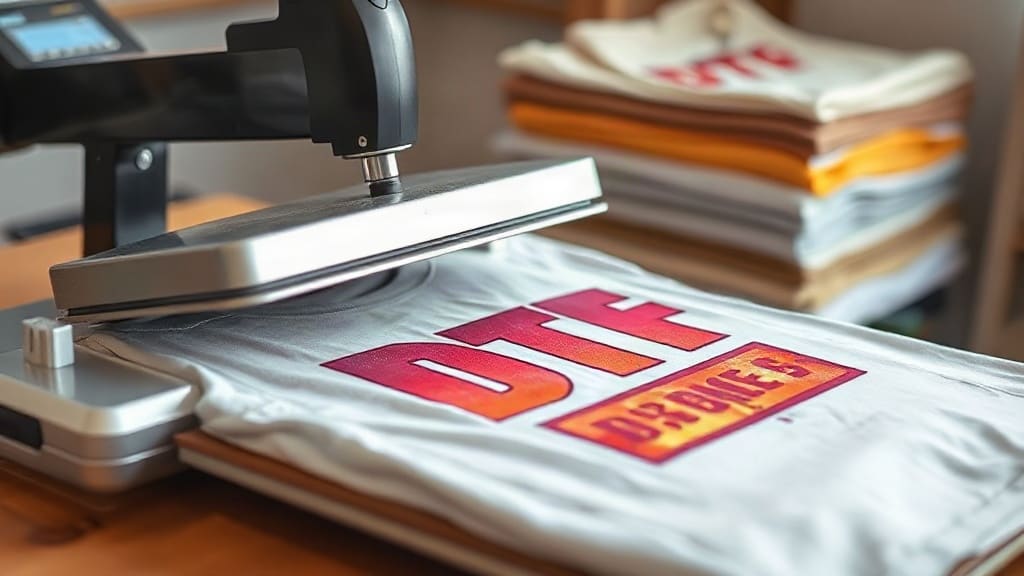
When you want to create custom apparel that stands out, DTF transfers offer a versatile and durable solution. Unlike traditional methods, DTF printing lets you produce full-color designs on various fabrics with minimal setup. Whether you're a small business owner or a DIY enthusiast, understanding DTF transfers can open up a world of possibilities for your creative projects.
What Are DTF Transfers?
DTF stands for Direct to Film. It's a printing technology where your design is printed onto a special film, then coated with a powder adhesive and cured. The resulting transfer can be applied to fabrics using a heat press. This method is gaining popularity because it works on cotton, polyester, blends, and even tough materials like canvas and denim.
Why Choose DTF Transfers?
There are several reasons why DTF transfers have become a go-to for custom apparel:
- No Weeding Required: Unlike vinyl, DTF transfers don't require tedious weeding, saving you time and effort.
- Full-Color Prints: You can print intricate, multi-color designs with gradients and fine details without worrying about color limitations.
- Fabric Versatility: DTF transfers adhere well to a wide range of materials, including cotton, polyester, and blends.
- Durability: When applied correctly, DTF transfers are stretchable and resistant to cracking, peeling, and fading.
- Cost-Effective for Short Runs: Ideal for small batches or one-off items, as there's no need for screens or plates.
How to Apply DTF Transfers
Applying DTF transfers is straightforward if you follow the right steps. Here's a detailed guide:
Materials You'll Need
- Heat press (or iron with no steam)
- DTF transfer film with your design
- Garment (preferably pre-pressed to remove moisture)
- Heat-resistant tape (optional)
- Parchment paper or Teflon sheet
Step-by-Step Application
- Preheat the Heat Press: Set your heat press to 300-325°F (150-160°C).
- Pre-Press the Garment: Press for 5-10 seconds to remove wrinkles and moisture.
- Position the Transfer: Place the DTF transfer on the garment with the printed side facing up.
- Press: Cover with parchment paper and press for 10-15 seconds with medium pressure.
- Peel: Wait a few seconds, then peel the film off while it's still warm (warm peel).
- Post-Press: Cover with parchment paper again and press for another 5-10 seconds for better adhesion.
Common Mistakes to Avoid
Even though DTF transfers are user-friendly, some pitfalls can affect the outcome:
- Insufficient Pressure: Uneven pressure leads to poor adhesion. Make sure your press is calibrated.
- Wrong Temperature: Too hot can burn the film; too cold won't activate the adhesive.
- Peeling Too Soon or Too Late: Follow the recommended peel time (usually warm peel).
- Not Pre-Pressing: Moisture in the fabric can ruin the transfer.
- Using the Wrong Film: Ensure you're using quality DTF film designed for your printer.
DTF vs. Other Printing Methods
How does DTF stack up against other popular techniques?
DTF vs. DTG
Direct-to-Garment (DTG) prints directly onto the fabric. DTG works best on 100% cotton and requires pretreatment. DTF, on the other hand, works on more fabrics and often produces more vibrant colors on dark garments.
DTF vs. Vinyl
Heat transfer vinyl (HTV) is great for simple designs but requires weeding and layering for multi-color. DTF allows complex designs without weeding and with more color flexibility.
DTF vs. Screen Printing
Screen printing is cost-effective for large orders but has setup costs and color limitations. DTF is better for small batches and detailed designs.
Tips for Best Results
- Use Quality Supplies: Invest in good DTF film, powder, and ink.
- Test on Scrap Fabric: Always do a test press to dial in settings.
- Store Transfers Properly: Keep them in a cool, dry place to avoid moisture damage.
- Follow Instructions: Each film brand may have specific temperature and time recommendations.
Frequently Asked Questions
How long do DTF transfers last?
With proper application and care, DTF transfers can last as long as the garment itself, often 50+ washes without significant fading or cracking.
Can I use DTF transfers on dark colors?
Yes! DTF transfers include a white ink base, so they show up vividly on dark fabrics.
Do I need a special printer for DTF?
You need a DTF printer that uses DTF inks and film. However, you can also order pre-printed transfers from suppliers.
What fabrics work best with DTF?
DTF works on cotton, polyester, blends, canvas, denim, and more. It's not recommended for nylon or fabrics with special coatings.
Can I stretch DTF transfers?
Yes, DTF transfers are stretchable and flexible, making them ideal for athletic wear and stretchy fabrics.
How do I wash garments with DTF transfers?
Turn the garment inside out and wash in cold water. Avoid bleach and tumble dry on low. Iron on the reverse side if needed.
Conclusion
DTF transfers are a game-changer for custom apparel, offering unmatched versatility, durability, and ease of use. Whether you're creating personalized gifts or launching a clothing line, mastering DTF transfers can elevate your projects. With the right techniques and supplies, you'll achieve professional-looking results that last. Start experimenting today and unleash your creativity with DTF transfers.