
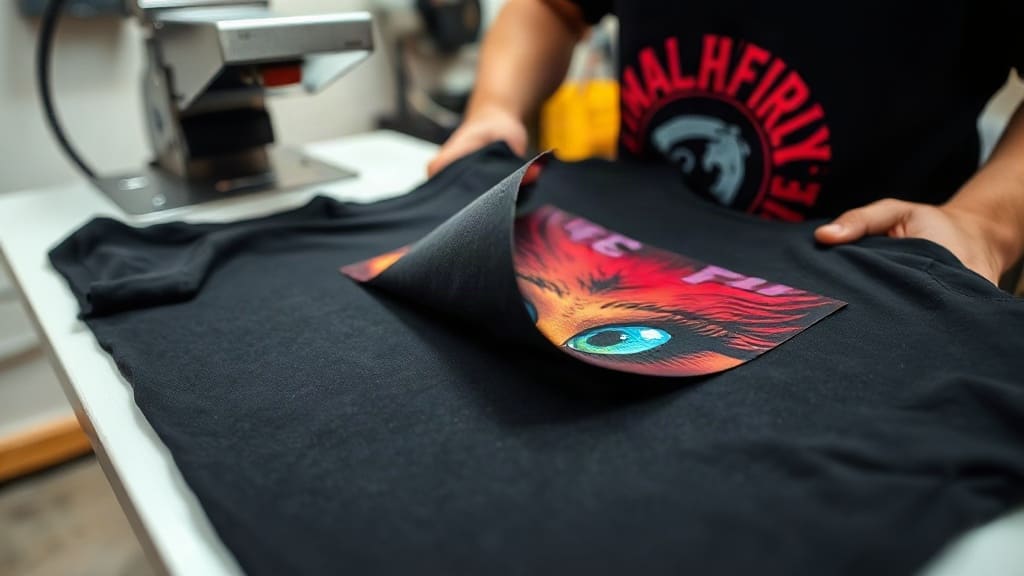
Custom apparel has never been more accessible, thanks to DTF transfers. Whether you're a small business owner, a hobbyist, or a DIY enthusiast, this printing method opens up a world of possibilities for vibrant, long-lasting designs on almost any fabric. Unlike traditional methods that limit your material choices or require complex setups, DTF transfers offer a versatile, cost-effective solution that delivers professional results right from your home or workshop.
What Are DTF Transfers?
DTF stands for Direct to Film. It's a printing technique where your design is printed onto a special film, coated with a powder adhesive, and then heat-pressed onto the fabric. The magic lies in the adhesive: it bonds the ink to the material, creating a durable, stretchable print that feels soft to the touch. Unlike DTG (Direct to Garment) printing, which requires pretreating and works best on cotton, DTF transfers can be applied to cotton, polyester, blends, leather, and even nylon. That versatility makes them a favorite among apparel decorators who want consistent results across different garment types.
How DTF Transfers Work: Step by Step
Understanding the process helps you appreciate why DTF transfers are so effective. Here's a breakdown of the key steps:
- Design Preparation: Your artwork is prepared digitally, ensuring it's mirrored (unless using a printer that handles it automatically) and sized appropriately.
- Printing: A specialized DTF printer lays down white ink as a base, followed by CMYK colors. The white layer is crucial for opacity on dark fabrics.
- Powdering: While the ink is still wet, a thermoplastic powder is applied. This powder adheres to the ink and will later melt to form a strong bond.
- Curing: The film passes through a heat source (like a heat press or oven) to melt the powder, creating a flexible, adhesive layer.
- Transfer: Once cured, the film can be stored or immediately used. You place it on the garment and apply heat and pressure with a heat press to transfer the design.
- Peeling: After pressing, you peel away the film (hot or cold peel, depending on the film type), leaving the vibrant design behind.
Each step requires attention to detail, but the learning curve is gentle. With a bit of practice, you'll be producing professional-grade apparel in no time.
Why Choose DTF Transfers Over Other Methods?
If you're wondering whether DTF transfers are right for your projects, consider these advantages:
- Fabric Versatility: Works on nearly any material, including cotton, polyester, blends, and even treated leather. No need for separate techniques for different garments.
- No Pretreatment: Unlike DTG, DTF doesn't require pretreating the garment, saving time and mess.
- Vibrant Colors: The white ink base ensures colors pop on both light and dark fabrics.
- Durability: When applied correctly, DTF prints withstand repeated washing without cracking or fading.
- Cost-Effective for Small Runs: No minimum order quantities, making it ideal for custom orders or one-off designs.
- Detail and Gradients: DTF excels at intricate details and smooth gradients, which can be challenging with screen printing.
These benefits make DTF transfers a go-to for businesses that need flexibility without sacrificing quality.
Applications of DTF Transfers
The uses for DTF transfers are virtually endless. Here are some popular applications:
- Custom T-shirts: Perfect for personalized gifts, team uniforms, or promotional apparel.
- Hoodies and Sweatshirts: The stretchable nature of DTF prints moves with the fabric, preventing cracks.
- Tote Bags: Add vibrant designs to canvas bags for a unique accessory.
- Sportswear: DTF transfers adhere well to performance fabrics, making them great for jerseys and activewear.
- Corporate Apparel: Create branded workwear with logos and slogans that last.
- Home Decor: Personalize pillows, aprons, and more with custom designs.
Whether you're decorating for a small event or launching a full apparel line, DTF transfers provide the quality and versatility you need.
Tips for Perfect DTF Transfers
To get the best results with DTF transfers, follow these practical tips:
1. Choose the Right Film
Not all DTF films are created equal. Some are designed for hot peel, others for cold peel. Hot peel films allow you to remove the carrier sheet immediately after pressing, speeding up production. Cold peel films require the transfer to cool before peeling, which can yield a smoother finish. Experiment to see which works best for your workflow.
2. Master Your Heat Press Settings
Temperature, pressure, and time are critical. Typically, you'll press at 300-325°F (150-160°C) for 10-15 seconds with medium pressure. However, always check the specifications of your film and powder. Too much heat can scorch the fabric or cause the ink to spread; too little heat results in poor adhesion.
3. Use Quality Powder
The adhesive powder is the backbone of a durable DTF transfer. Opt for a fine, consistent powder that melts evenly. Store it in an airtight container to prevent moisture clumping.
4. Pre-Press Your Garment
Before transferring, pre-press the garment for a few seconds to remove wrinkles and moisture. This step ensures a smooth surface for the transfer to adhere to.
5. Test on Scrap Fabric
Always do a test press on a similar fabric to dial in your settings. This saves you from ruining a good garment.
6. Proper Storage
Store unused transfers in a cool, dry place, away from direct sunlight. They can last for months if kept properly.
Common Challenges and How to Overcome Them
Even with the best practices, you might encounter issues. Here are solutions to common problems:
- Peeling or Cracking: Usually caused by insufficient pressure or incorrect peeling temperature. Adjust your heat press and ensure you're peeling at the right time (hot or cold).
- Dull Colors: This can happen if the white ink layer is too thin or if the powder isn't fully cured. Check your printer settings and curing process.
- Adhesive Residue: If powder remains on the film after pressing, it might be due to under-curing. Increase curing time or temperature.
- Film Sticking to Press: Use a Teflon sheet or parchment paper between the press and the transfer to prevent sticking.
With a bit of troubleshooting, you'll quickly become proficient.
DTF Transfers vs. Other Printing Methods
How do DTF transfers stack up against screen printing, DTG, and vinyl?
- Screen Printing: Better for large orders of simple designs, but setup costs are high and not cost-effective for small runs. DTF wins for detailed, multi-color designs and small batches.
- DTG: Best on 100% cotton, requires pretreatment, and can be less durable. DTF works on more fabrics and often outlasts DTG.
- Vinyl: Great for simple text and shapes, but limited in color gradients and detail. DTF handles complex images with ease.
For versatility and quality, DTF transfers are hard to beat.
Frequently Asked Questions About DTF Transfers
How long do DTF transfers last?
When applied correctly and cared for properly (washing inside out, avoiding bleach), DTF transfers can last as long as the garment itself, often 50+ washes without fading or cracking.
Can I use DTF transfers on dark colors?
Absolutely. The white ink base in DTF printing ensures that colors remain vibrant on dark fabrics. This is one of the key advantages over other methods.
Do I need a special printer for DTF transfers?
Yes, DTF requires a dedicated DTF printer that uses pigment inks and can print white ink. However, you can also buy pre-printed transfers from suppliers if you don't want to invest in a printer.
What fabrics work best with DTF transfers?
DTF transfers adhere well to cotton, polyester, blends, nylon, and leather. They are not recommended for fabrics with a heavy waterproof coating or highly textured surfaces.
How do I wash garments with DTF transfers?
Turn the garment inside out and machine wash in cold water. Avoid using fabric softener or bleach. Tumble dry on low or hang dry. Iron on the reverse side if needed, but avoid direct heat on the print.
With their unmatched versatility and durability, DTF transfers are transforming the custom apparel industry. Whether you're a seasoned pro or just starting, embracing this technology can elevate your creations and open new opportunities. So why wait? Dive into the world of DTF and let your designs shine.