
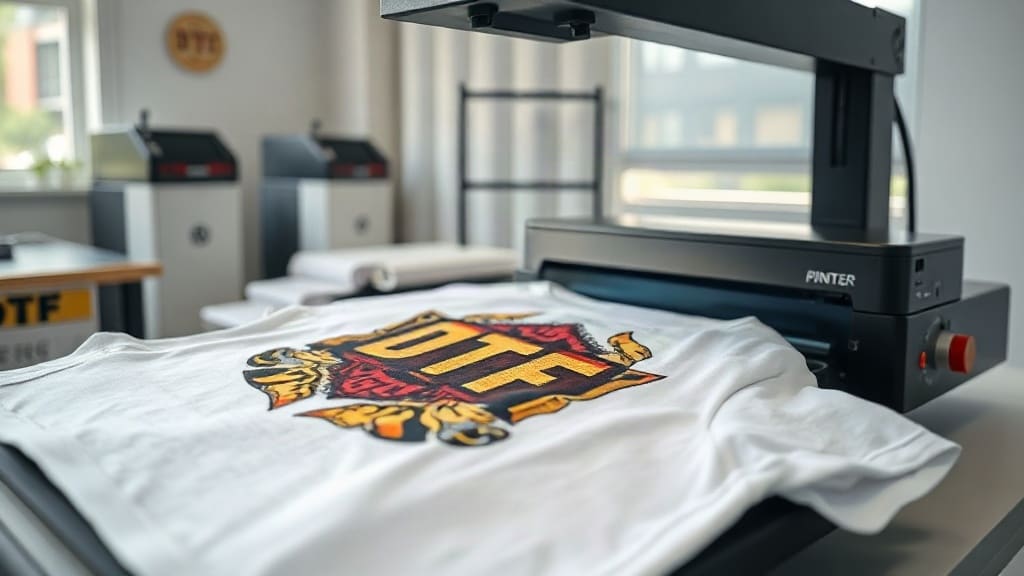
When it comes to custom apparel, DTF printing has emerged as a versatile and cost-effective method that allows for vibrant, detailed designs on a wide range of fabrics. Unlike traditional screen printing or heat transfer vinyl, DTF (Direct to Film) printing offers unparalleled flexibility, making it a favorite among small business owners, crafters, and DIY enthusiasts. In this guide, we'll dive deep into the world of DTF printing, covering everything from the basics to advanced tips, so you can make informed decisions for your next project.
What is DTF Printing?
DTF printing stands for Direct to Film. It's a printing technique where your design is printed onto a special film, coated with a powder adhesive, and then heat-pressed onto the fabric. This process eliminates the need for weeding or cutting, and it works on almost any fabric, including cotton, polyester, blends, and even leather. The result is a soft, stretchable print that can withstand repeated washing without cracking or fading.
The magic of DTF lies in its simplicity and efficiency. You start by designing your artwork on a computer, then print it using a DTF printer with specialized inks. After printing, the film is dusted with a hot-melt adhesive powder, which is melted to create a bond. Finally, the film is pressed onto the garment at a specific temperature and pressure. The film is then peeled off, leaving your design behind.
Why Choose DTF Printing?
There are several reasons why DTF printing has become a go-to method for custom apparel:
- Versatility: Works on a wide range of materials, including cotton, polyester, nylon, and more.
- No Weeding: Unlike vinyl, there's no tedious weeding process, saving time and labor.
- Durability: Prints are stretchable and resistant to cracking, peeling, and fading.
- Color Vibrancy: DTF inks produce bright, detailed images with fine gradients.
- Cost-Effective for Small Runs: Ideal for small batches or one-off items, as there's no minimum order.
For businesses, DTF printing offers a competitive edge by enabling quick turnaround times and customization without large upfront costs. For hobbyists, it opens up a world of creative possibilities.
How Does DTF Printing Work? Step-by-Step
Understanding the DTF process can help you achieve professional results. Here's a breakdown of the steps:
- Design Preparation: Create your artwork in a graphics program. Ensure it's mirrored if necessary (though most DTF printers handle mirroring automatically). Use CMYK color mode for accurate colors.
- Printing: Load the DTF film into your printer, ensuring the coated side is facing up. Print your design using DTF inks. The printer lays down a white base layer first (for opacity), followed by the color layers.
- Powder Application: While the ink is still wet, apply the hot-melt adhesive powder evenly over the print. Shake off excess powder.
- Curing: Place the film in a curing oven or under a heat press to melt the powder. This step is crucial for adhesion.
- Heat Pressing: Preheat your garment to remove moisture. Place the cured film on the garment and press at 320°F (160°C) for 15-20 seconds with medium pressure.
- Peeling: Wait a few seconds for the film to cool slightly, then peel it off in a smooth, consistent motion. For a matte finish, peel while hot; for glossy, peel when cold.
Each step requires attention to detail, but with practice, you'll master the DTF process quickly.
DTF vs. Other Printing Methods
How does DTF stack up against other popular printing techniques? Let's compare:
DTF vs. Screen Printing
Screen printing is cost-effective for large orders but requires separate screens for each color, making it impractical for complex designs or small runs. DTF excels in small batches and full-color designs without setup fees.
DTF vs. DTG
Direct-to-Garment (DTG) printing is limited to cotton fabrics and often requires pre-treatment. DTF works on more materials and doesn't need pre-treatment, though it involves an extra powder step.
DTF vs. Vinyl
Heat transfer vinyl (HTV) is great for simple designs but requires weeding and layering for multi-color prints. DTF handles intricate details and gradients effortlessly, with no weeding.
Getting Started with DTF Printing
Ready to dive into DTF printing? Here's what you'll need:
- DTF Printer: Options range from converted Epson printers to dedicated DTF machines. Choose based on your volume and budget.
- DTF Inks: Use high-quality inks designed for DTF to ensure vibrant colors and durability.
- DTF Film: Available in rolls or sheets; ensure it's compatible with your printer.
- Adhesive Powder: Hot-melt powder specifically for DTF.
- Heat Press: A reliable heat press with accurate temperature and pressure control.
- Curing Oven (optional): For larger operations, a curing oven speeds up the process.
Start with a small setup and scale as you gain experience. Many suppliers offer starter kits that include everything you need.
Tips for Successful DTF Printing
To achieve professional results, keep these tips in mind:
- Maintain Your Printer: Regular cleaning and maintenance prevent clogged nozzles and ensure consistent prints.
- Use Quality Materials: Cheaper films or powders can lead to poor adhesion and dull colors.
- Test Your Settings: Every heat press is different; experiment with temperature, pressure, and time to find the sweet spot.
- Store Films Properly: Keep DTF film in a cool, dry place to avoid moisture damage.
- Practice Peeling: Peeling technique affects the finish; practice on scrap fabric to perfect your method.
Common DTF Printing Challenges and Solutions
Even experienced users face issues. Here's how to troubleshoot:
Faded or Dull Prints
This often results from insufficient ink coverage or incorrect curing. Ensure your printer is set to the correct color profile and that the powder is fully melted.
Poor Adhesion
If the print peels off, check your heat press settings. Too little pressure or temperature can prevent proper bonding. Also, ensure the garment is free of wrinkles and moisture.
Clogged Printheads
Regular cleaning cycles and using high-quality inks can prevent clogs. If clogged, run a cleaning cycle or use a printhead cleaning solution.
Applications of DTF Printing
DTF printing isn't just for t-shirts. Its versatility makes it suitable for:
- Sportswear: Jerseys, leggings, and jackets benefit from DTF's stretchability.
- Denim: Add intricate designs to jeans and jackets without the stiffness of vinyl.
- Canvas Bags: Personalize tote bags with detailed graphics.
- Corporate Apparel: Create branded uniforms with logos and slogans.
- Promotional Items: Hats, aprons, and more.
The possibilities are endless, limited only by your imagination.
Frequently Asked Questions About DTF Printing
What fabrics can I use with DTF printing?
DTF printing works on a wide range of fabrics, including cotton, polyester, blends, nylon, and even leather. It's one of the most versatile printing methods available.
How durable is DTF printing?
When properly applied, DTF prints are highly durable. They can withstand repeated washing (up to 50+ washes) without cracking or fading, especially if you follow care instructions like washing inside out in cold water.
Do I need a special printer for DTF printing?
Yes, you need a DTF printer, which is typically a modified inkjet printer that uses DTF inks and a film feed system. Some popular models include converted Epson printers and dedicated DTF machines from brands like Roland and Mutoh.
Can I use DTF printing for small orders?
Absolutely! DTF printing is ideal for small orders because there are no minimums or setup costs. You can print one-off designs or small batches economically.
How do I care for DTF-printed garments?
To prolong the life of your DTF prints, wash the garment inside out in cold water, avoid bleach and fabric softeners, and tumble dry on low or hang dry. Iron on the reverse side if needed.
Conclusion
DTF printing is revolutionizing the custom apparel industry with its versatility, durability, and ease of use. Whether you're a small business owner looking to offer custom products or a hobbyist wanting to create unique gifts, DTF printing provides a reliable and cost-effective solution. By understanding the process, investing in quality equipment, and following best practices, you can achieve professional results that impress. So why not give DTF printing a try? Explore the possibilities and bring your designs to life on fabrics like never before.