
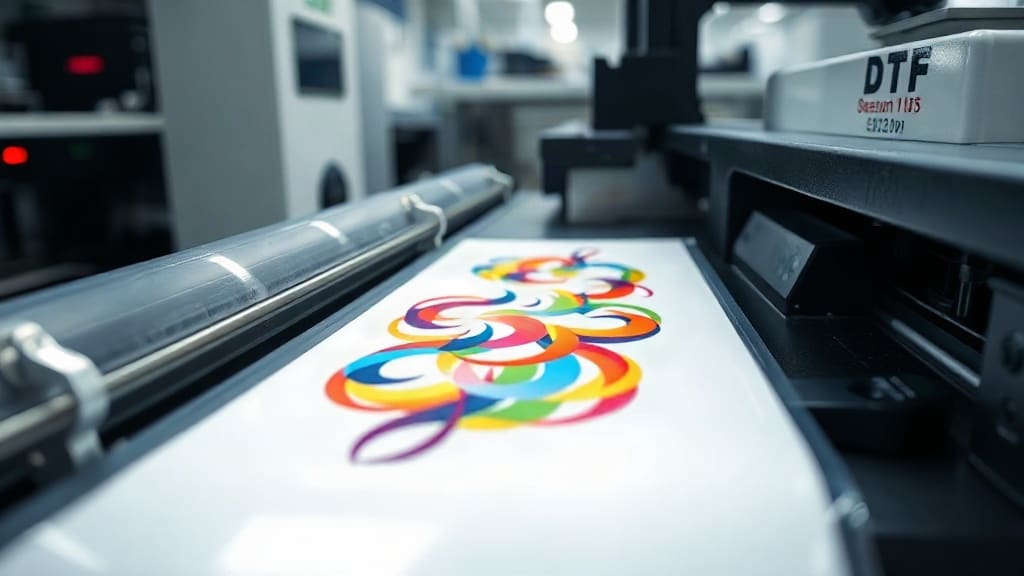
If you've been exploring custom apparel printing, you've likely encountered the term DTF. Short for Direct to Film, DTF printing is rapidly becoming a favorite among small business owners, hobbyists, and anyone looking to create vibrant, durable designs on fabric. Unlike traditional methods that require specialized equipment or complex setups, DTF printing offers a versatile and accessible way to bring your ideas to life. In this guide, we'll dive deep into what DTF printing is, how it works, and why it might be the perfect solution for your next project.
What is DTF Printing?
DTF printing stands for Direct to Film. It's a digital printing technology where your design is printed onto a special film, coated with a hot-melt adhesive powder, and then heat-pressed onto the fabric. This process allows for full-color, high-detail prints on a wide range of materials, including cotton, polyester, blends, and even some non-fabric items like leather and canvas. The key advantage is that DTF doesn't require pre-treatment of the garment, making it simpler and faster than some other methods.
How Does DTF Printing Work?
Understanding the step-by-step process of DTF printing can help you appreciate its efficiency and versatility. Here's a breakdown:
- Design Creation: Your artwork is prepared digitally. It's important to use high-resolution images because DTF can capture fine details.
- Printing onto Film: A specialized DTF printer prints your design onto a PET film using water-based inks. The printer lays down a layer of white ink first (for opacity) and then the colored inks on top.
- Powder Application: While the ink is still wet, a hot-melt adhesive powder is applied evenly over the printed film. The excess powder is shaken off.
- Curing: The film with the powder is then heated to melt the powder, creating a adhesive layer that will bond with the fabric.
- Heat Pressing: The cured film is placed onto the garment and heat-pressed at a specific temperature and time. The adhesive melts and fuses the design to the fabric.
- Peeling: After pressing, the film is peeled away (either hot or cold peel, depending on the film type), leaving the design behind.
This process might sound technical, but once you have the right equipment, it becomes second nature. The beauty of DTF is that it allows for small-batch production without the setup costs of screen printing.
Why Choose DTF Printing for Custom Apparel?
There are several compelling reasons why DTF printing has gained such popularity. Let's explore the main benefits.
Versatility with Fabrics
One of the biggest advantages of DTF printing is its ability to adhere to a wide variety of fabrics. Whether you're working with 100% cotton t-shirts, polyester sportswear, or cotton-poly blends, DTF can handle it. This is a significant improvement over DTG (Direct to Garment) printing, which often requires pre-treatment and works best on 100% cotton. With DTF, you can print on dark colors and synthetic materials without worrying about the design fading or cracking.
No Weeding or Cutting Required
If you've ever worked with heat transfer vinyl (HTV), you know the tedious process of weeding out tiny details. DTF eliminates that entirely. Your design is printed as a whole, so there's no need for cutting or weeding. This saves time and reduces waste, especially for complex designs with many colors.
Vibrant and Durable Prints
DTF prints are known for their bright colors and fine details. Because the design is printed with a white ink base, colors pop even on dark garments. The prints are also highly durable; when applied correctly, they withstand repeated washing without cracking, peeling, or fading. This makes DTF ideal for items that will be worn regularly.
Cost-Effective for Small Businesses
For small businesses or startups, DTF printing offers a low barrier to entry. You don't need expensive screens or minimum order quantities. You can print one-off designs or small batches, making it perfect for personalized gifts, sample products, or limited editions. The cost per print is competitive, especially when you factor in the time saved on setup.
DTF vs. Other Printing Methods
To truly appreciate DTF, it helps to compare it with other common printing techniques.
DTF vs. DTG
DTG printing directly applies ink to the garment. It's great for 100% cotton but struggles with polyester and dark colors unless pre-treated. DTF works on almost any fabric and doesn't require pre-treatment, making it more versatile. However, DTG can produce a softer feel on the fabric, while DTF has a slight texture.
DTF vs. Screen Printing
Screen printing is cost-effective for large orders but requires separate screens for each color, making it expensive for small runs. DTF is digital, so there's no setup cost per color. It's ideal for small to medium batches and designs with many colors.
DTF vs. Vinyl
Vinyl is great for simple, single-color designs but can be time-consuming to weed. DTF handles complex, multi-color designs with ease and offers a more professional finish for detailed artwork.
Getting Started with DTF Printing
If you're ready to dive into DTF printing, here's what you'll need:
- DTF Printer: A printer specifically designed for DTF printing, such as those from Epson or Roland. These printers use specialized inks.
- DTF Film: PET film that is compatible with your printer. It comes in sheets or rolls.
- Hot Melt Powder: This adhesive powder is crucial for bonding the design to the fabric. There are different types for different fabrics.
- Heat Press: A heat press is essential for curing the powder and applying the design. You'll need one with precise temperature and pressure control.
- Design Software: Any graphic design software like Adobe Photoshop or Illustrator will work. Just ensure your designs are high resolution.
Once you have your equipment, practice is key. Start with simple designs to get a feel for the process, then gradually move to more complex ones.
Tips for Successful DTF Printing
To ensure great results, keep these tips in mind:
- Use Quality Materials: Cheaper films or powders can lead to poor adhesion or dull colors. Invest in reputable brands.
- Control Moisture: Powder can clump if exposed to humidity. Store it in an airtight container.
- Test Your Settings: Every heat press and fabric behaves differently. Always do a test press to find the right temperature, pressure, and time.
- Handle with Care: After printing, allow the film to cool before peeling (unless using hot peel film). This prevents smudging.
- Wash Inside Out: For longevity, advise customers to wash garments inside out in cold water and avoid ironing directly on the print.
Frequently Asked Questions about DTF Printing
What fabrics can I use with DTF printing?
DTF printing works on a wide range of fabrics, including cotton, polyester, nylon, blends, and even leather. It's particularly effective on dark and synthetic materials where other methods might fail.
How durable is a DTF print?
When applied correctly, DTF prints are very durable. They can withstand dozens of washes without fading or cracking. Proper washing and care will extend the life of the print significantly.
Do I need to pre-treat shirts for DTF printing?
No, one of the main advantages of DTF printing is that it doesn't require pre-treatment. You can print directly onto the film and then press onto the garment.
Can I use DTF on 100% polyester?
Yes, DTF printing adheres well to polyester. However, because polyester is heat-sensitive, you may need to adjust your heat press settings to a lower temperature to avoid scorching the fabric.
What is the difference between hot peel and cold peel DTF film?
Hot peel film allows you to peel the film immediately after pressing while it's still hot. Cold peel film requires you to wait until the film cools down before peeling. The choice depends on the film type and your preference; some films are designed for hot peel for faster production.
Conclusion
DTF printing is revolutionizing the custom apparel industry with its versatility, durability, and ease of use. Whether you're a small business owner looking to offer custom shirts or a hobbyist wanting to create personalized gifts, DTF printing provides a cost-effective and high-quality solution. By understanding the process and following best practices, you can achieve professional results that impress your customers. So why not give DTF printing a try? With the right equipment and a bit of practice, you'll be creating stunning custom apparel in no time.